Raki & the Distillation Tradition of Crete
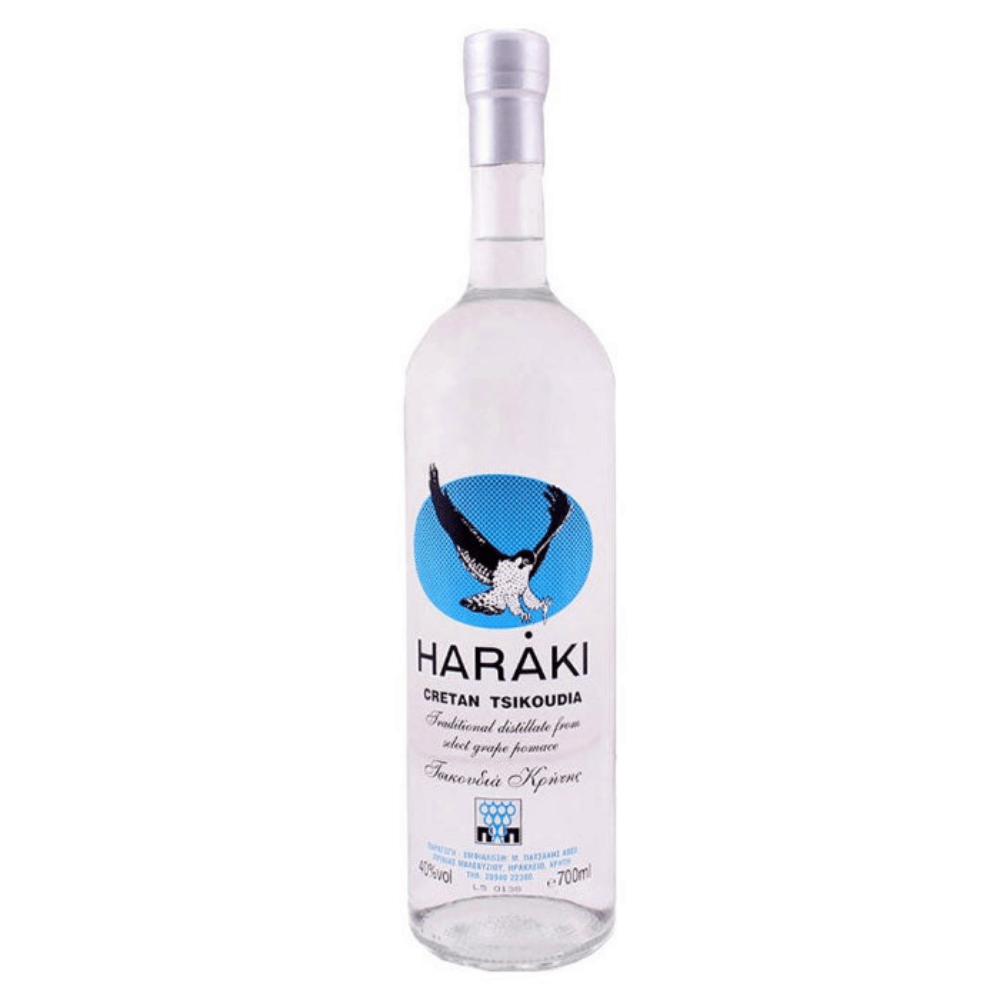
In Crete, raki is not a drink. It is protocol. It follows agreements, closes meals, opens conversations, and seals hospitality. Known locally as tsikoudia, Cretan raki is a grape pomace spirit distilled after the wine harvest — clear, strong, and uncompromising. No sugar, no anise, no additives. Just grape skins, seeds, patience, and fire.
🔥 The Distillation Process (Kazani Season)


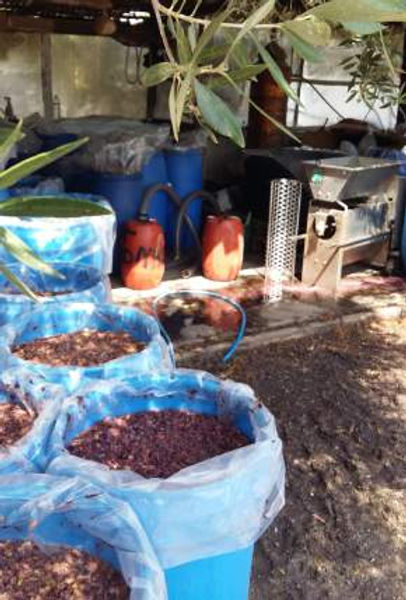
Every autumn, villages across Crete light the kazani — the traditional copper still. The process begins after grape pressing, using the leftover skins (strafylo). Fermentation occurs naturally. Then comes slow distillation over wood fire.
The essentials:
- Fermented grape pomace placed in copper still
- Gradual heating and vapor extraction
- Alcohol vapors condense through cooling pipes
- First and last fractions discarded
- Middle cut collected — this is proper raki
Good raki sits around 40–45% alcohol. Anything harsh or chemically sharp? Poor distillation. Real raki is clean, aromatic, and warm — never aggressive.
🏛️ A Tradition Older Than the Ottoman Period
Raki distillation in Crete likely began during Venetian rule, influenced by Mediterranean pomace spirits. Over centuries, it became embedded in rural culture. In regions near Heraklion and throughout Lasithi and Rethymno, distillation licenses are still issued seasonally.
The distillation period itself is social. Villagers gather. Meat grills beside the still. Music plays. No one drinks alone.
🥃 Raki vs Ouzo – Not the Same
Cretan raki (tsikoudia):
- Made from grape pomace
- No anise flavor
- Clear, dry finish
Ouzo:
- Grain or grape alcohol base
- Strong anise profile
- Industrial-scale production common
In Crete, raki is agricultural. It begins with the vineyard.
🍇 The Connection to Wine
Raki cannot exist without wine. Regions like Peza and Dafnes produce grapes for both winemaking and distillation. After pressing varieties such as Liatiko or Kotsifali, the remaining pomace becomes the base for tsikoudia.
Nothing is wasted. That is traditional Cretan logic.
🫒 How Raki Is Served
Raki is rarely ordered. It appears.
After a meal in a taverna, a small carafe arrives. No charge. No ceremony. Sometimes accompanied by fruit or a small sweet. It marks completion and gratitude.
Proper etiquette:
- Small glasses
- Slow sipping
- Always accompanied by food or meze
Drinking it fast misses the point.
Experience Authentic Raki Distillation
Reading about raki is theoretical. Standing next to a copper still is different.
With LocalTrips4U, you can experience:
- Visits to traditional raki distilleries
- Guided explanation of the kazani process
- Tasting of fresh and aged tsikoudia
- Pairing with local Cretan meze
- Combination tours with olive oil mills and wineries
Explore available experiences here:
👉 https://localtrips4u.com/
You meet producers. You see the still. You taste properly.
Why Raki Still Matters
Because it represents continuity.
It connects vineyard to village.
Harvest to winter.
Host to guest.
Cretan raki does not aim for luxury branding. It exists because it always has. And when distilled correctly, it carries the aroma of the harvest year — sharp, clean, honest.
If you would like, I can now prepare the complete SEO backend package (SEO title, meta description, keyword structure, FAQ schema) optimized for ranking on “Cretan raki,” “tsikoudia Crete,” and “raki distillation process.”