Cretan Culture – Food, Wine & Music in Their Natural Habitat
Crete does not separate culture from daily life. It lives it. Food is agricultural memory. Wine is a landscape translated into liquid. Music is history sung without apology. If you want to understand Cretan culture, you begin at the village table, continue in the vineyard, and end beside a lyra player after midnight.
🌿 Cretan Food – Discipline, Not Decoration

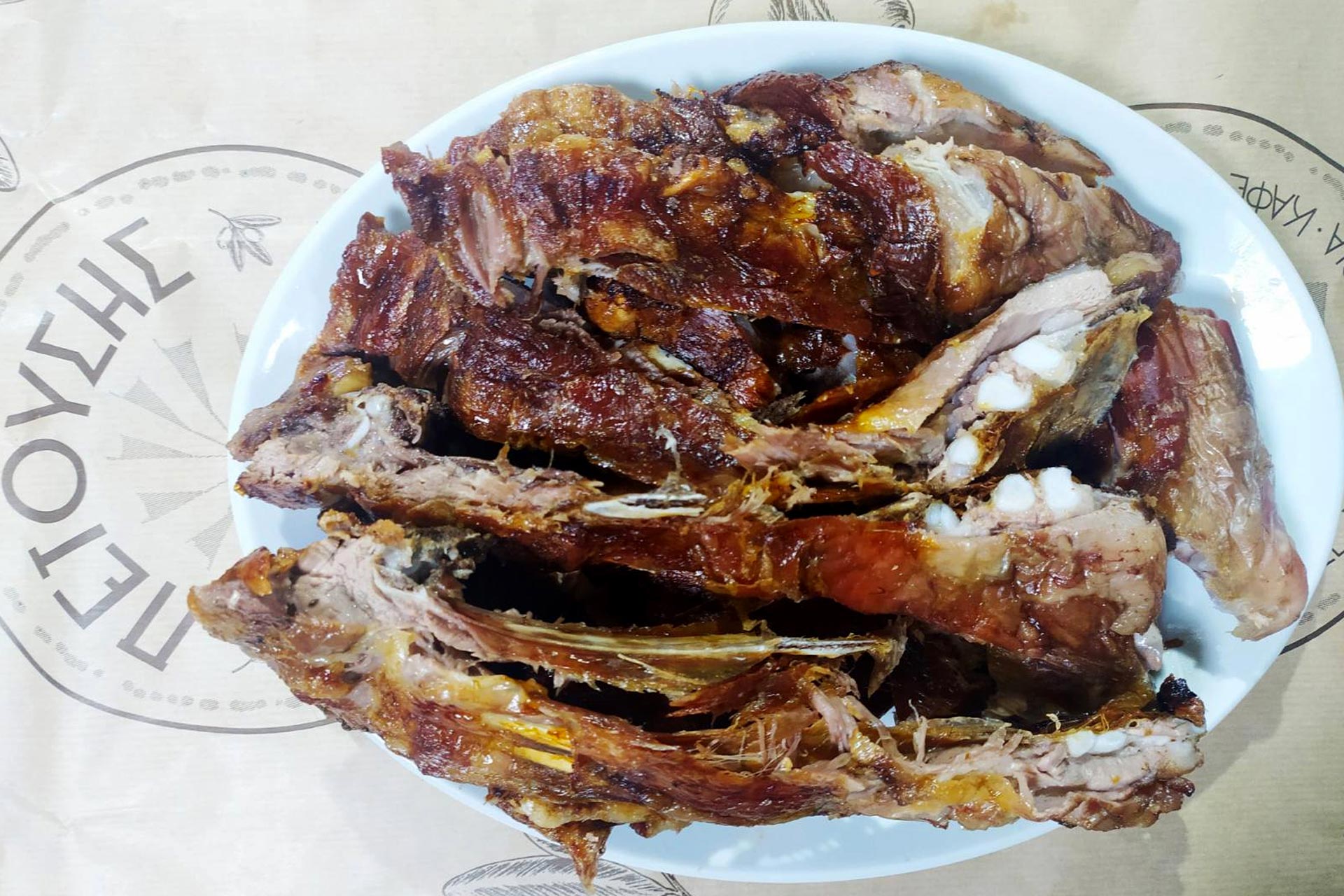


Cretan cuisine is built on structure: olive oil, wild greens, legumes, barley, goat, and seasonal vegetables. From the time of the Minoan civilization, olive oil shaped the island’s diet and trade.
Signature dishes include:
- Dakos – barley rusk, tomato, mizithra, olive oil
- Antikristo lamb – slow-roasted beside an open fire
- Kalitsounia – small pies with cheese or greens
- Wild horta greens with lemon and oil
No excess sauces. No heavy processing. The Cretan table respects seasonality. What grows here, stays here.
🍷 Cretan Wine – Indigenous and Structured

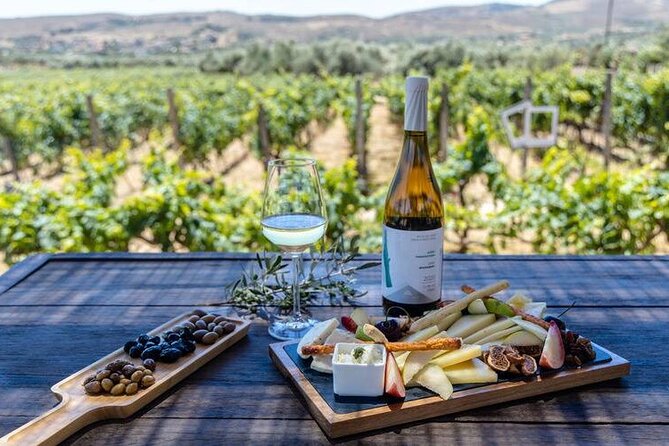

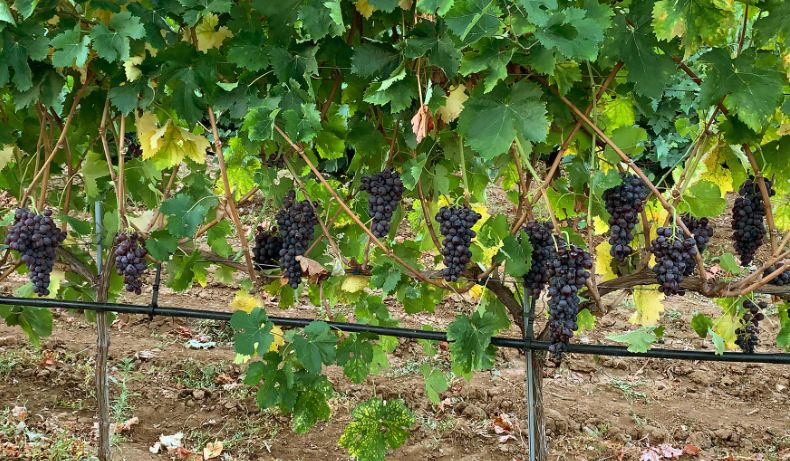
Crete is one of the oldest wine-producing regions in Europe. Archaeological findings near Knossos Palace confirm organized wine production over 3,500 years ago.
Indigenous grape varieties define the island:
- Liatiko – elegant, structured red
- Kotsifali – soft tannins, red fruit
- Mandilari – deep color, aging potential
- Vilana – fresh white, mineral finish
Wine here is not an international imitation. It reflects soil, altitude, and dry climate. It is meant to accompany food, not dominate it.
🥃 Raki – The Social Constant
No cultural discussion is complete without tsikoudia — Cretan raki. Distilled from grape pomace after harvest, it is served after meals as a gesture, not a transaction. It seals hospitality. It extends conversation.
Raki appears whether you asked for it or not. That is the point.
🎻 Cretan Music – Lyra, Lute & Resistance
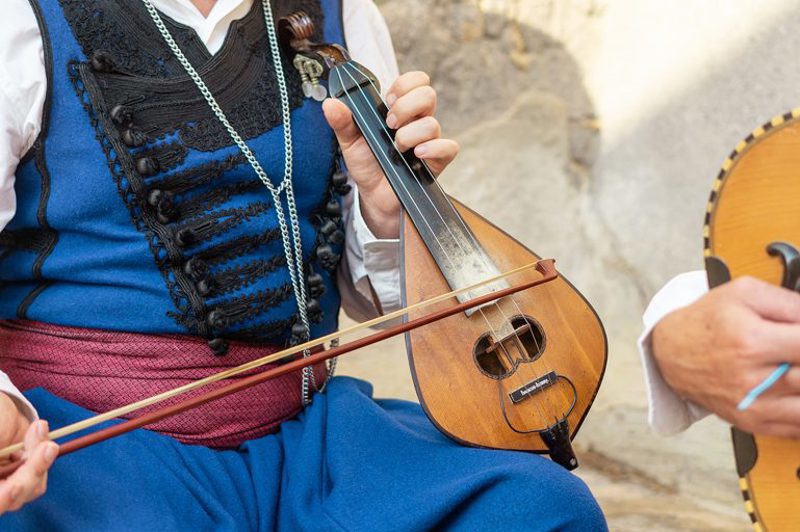


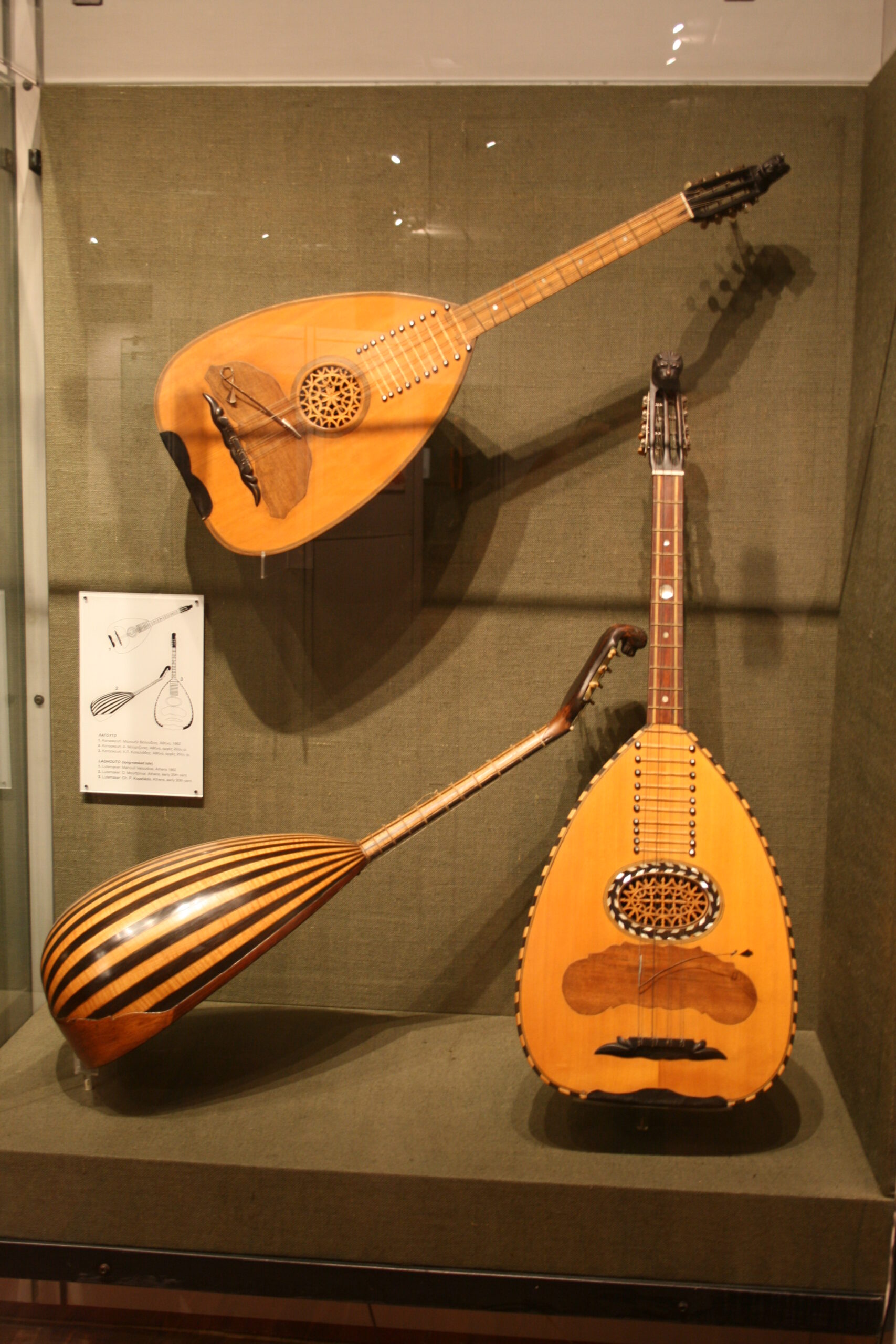
Cretan music is direct. The central instrument is the Cretan lyra, accompanied by the laouto (lute). Songs speak of love, exile, resistance, and pride.
Traditional dances such as pentozali are not rehearsed performances for tourists. They are communal. Steps repeat. Rhythm intensifies. Participation becomes unavoidable.
Music in Crete historically carried political resistance, especially during Ottoman occupation. It was expression and defiance combined.
🏛️ Culture as Continuity
In villages near Heraklion and across Lasithi and Rethymno, you still see:
- Extended family meals
- Seasonal harvest festivals
- Religious feasts are tied to agricultural cycles
- Music played live, not streamed
Cretan culture remains agricultural at its core. It is not curated for display. It persists because it functions.
Why Cretan Culture Endures
Because it is practical.
Food sustains.
Wine preserves terroir.
Music maintains identity.
Hospitality reinforces community.
Crete does not modernize by abandoning tradition. It adapts while preserving the foundation.
If you visit the island only for the beaches, you see the surface. If you sit at a village table, listen to a lyra at midnight, taste fresh olive oil, and share raki with locals, you begin to understand.