Cretan Heritage – Identity Carved in Stone and Memory
Cretan heritage is not preserved behind glass. It lives in villages, in dialect, in olive groves older than most European nations. Crete has absorbed empires — Minoan, Roman, Byzantine, Venetian, Ottoman — yet its core identity remains intact. To understand Cretan heritage is to understand continuity: land, resistance, craftsmanship, faith, music, and food operating as one system.
🏛️ Ancient Foundations – The Minoan Legacy


Crete was home to the Minoan civilization, Europe’s earliest advanced civilization. At sites like Knossos Palace and Phaistos, you see complex urban planning, drainage systems, frescoes, and organized trade networks dating back nearly 4,000 years.
The Minoans were maritime, sophisticated, and economically strategic. Their influence shaped the island’s early identity — outward-looking yet rooted in agricultural stability.
⛪ Faith & Resistance

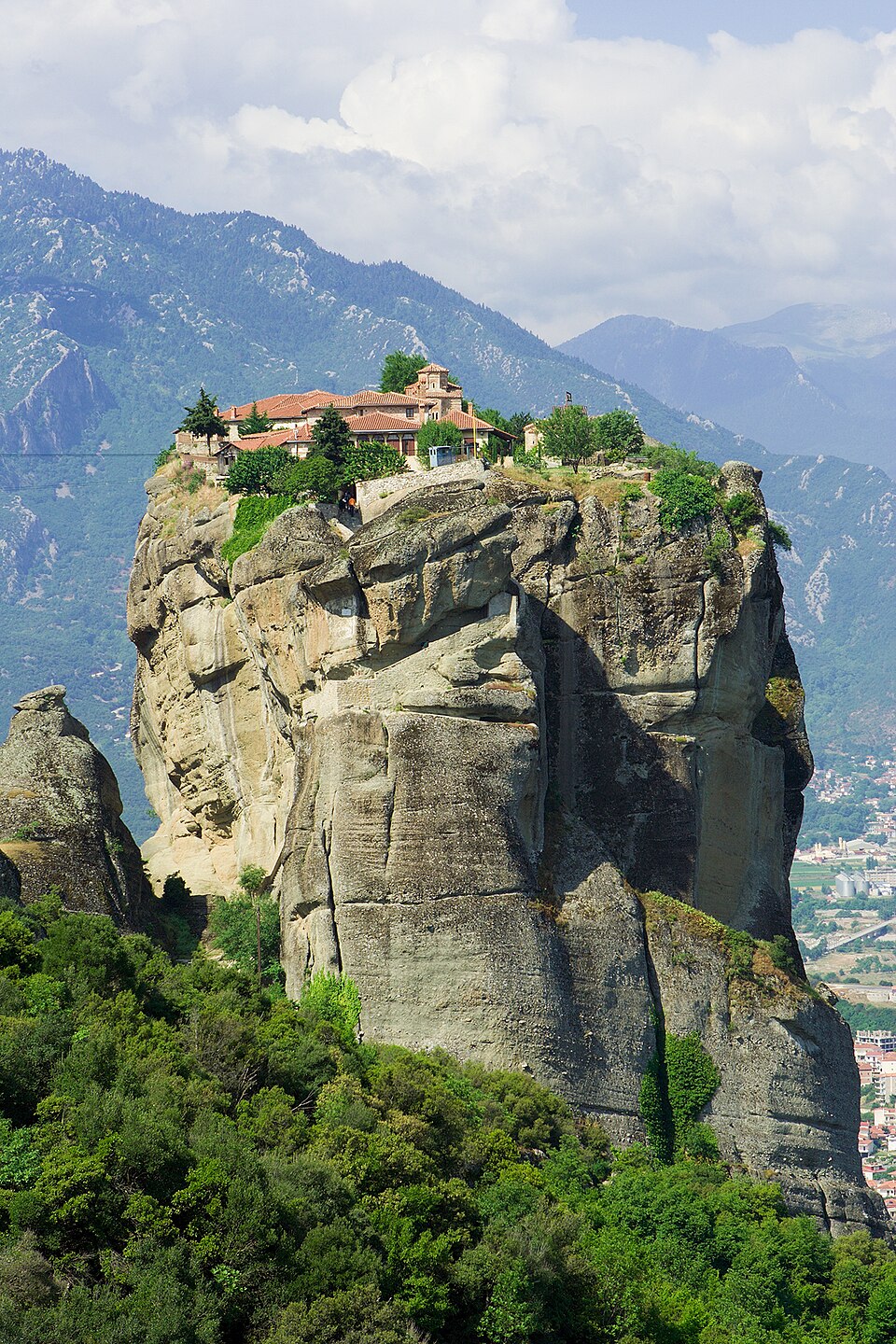


During Venetian and Ottoman occupation, monasteries became centers of literacy and resistance. Arkadi Monastery stands as a symbol of sacrifice and defiance in the 1866 uprising.
Cretan heritage includes:
- Byzantine churches with preserved frescoes
- Monastic olive oil and wine production
- Religious festivals tied to agricultural cycles
Faith in Crete is less ceremonial, more communal.
🌿 Agricultural Continuity
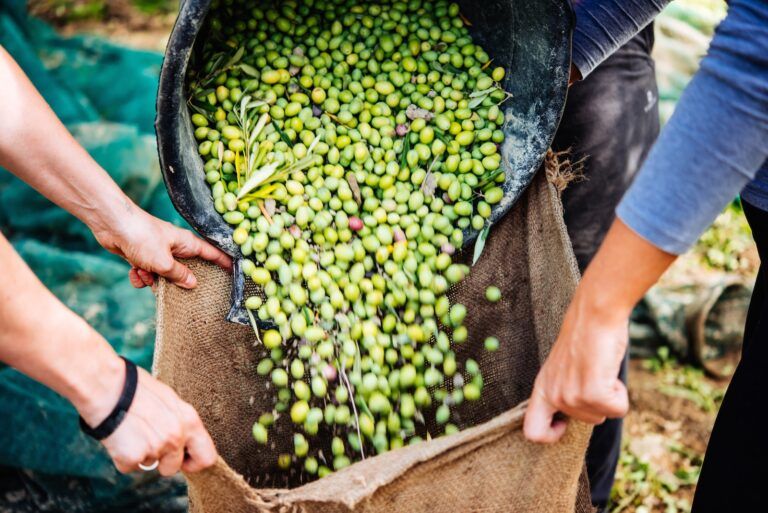
Heritage in Crete is inseparable from the land. Olive trees, vineyards, and shepherding routes define social structure. Some olive trees on the island are over 1,000 years old — still producing.
Regions around Heraklion and Lasithi preserve traditional olive oil production, indigenous wine varieties, and seasonal harvest practices. Nothing is wasted. Everything is seasonal.
This agricultural discipline is the backbone of the Mediterranean diet — and a central element of Cretan identity.
🎻 Music, Language & Oral Tradition
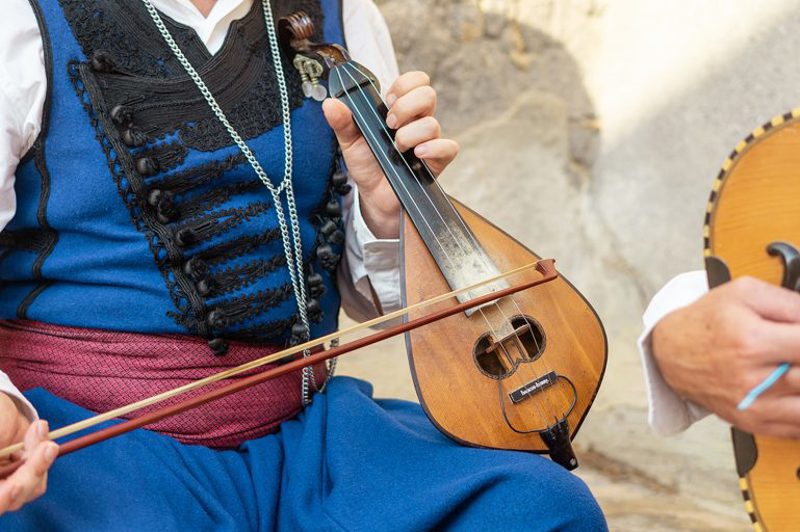


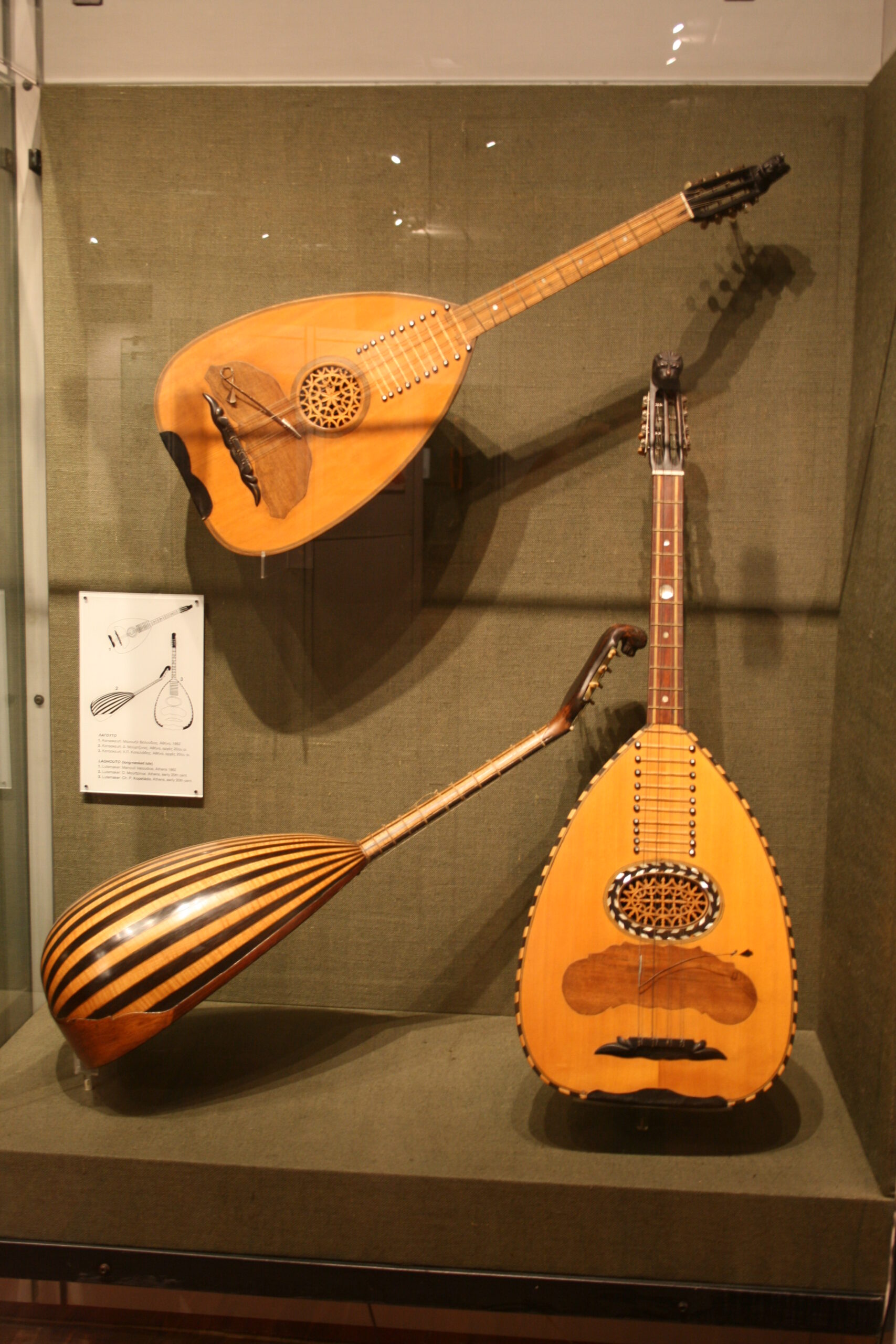
The Cretan lyra is not performance folklore. It is living expression. Accompanied by the laouto, Cretan music carries stories of love, exile, resistance, and pride.
The Cretan dialect preserves archaic Greek elements. Mantinades — short rhyming couplets — are improvised in gatherings. Heritage here is spoken and sung, not archived.
🏘️ Architecture & Village Life
Mountain villages remain structured around:
- Central square
- Church
- Coffee house (kafeneio)
- Agricultural storage
Stone houses, narrow alleys, internal courtyards — architecture built for climate and defense. Venetian fortresses, Ottoman fountains, and rural windmills reflect layered occupation without erasing local identity.
Crete absorbed influence. It did not dissolve into it.
Why Cretan Heritage Matters Today
Because it still functions.
It shapes:
- Daily diet
- Family structure
- Social rituals
- Agricultural practices
- Hospitality norms
Cretan heritage is not nostalgic preservation. It is an applied tradition.
In a globalized world chasing uniformity, Crete maintains distinction. The island modernizes, but it does not abandon structure.
To visit Crete is to encounter a culture that remembers — and continues.