Folklore Music in Crete – Soundtracks of Resistance and Memory
Cretan folklore music is not a staged heritage. It is a living continuity. From Bronze Age ritual rhythm to modern village festivals, music in Crete has carried identity, resistance, emotion, and collective memory across centuries. If you follow the routes of Cretan traditional music, you trace the island’s political history, migration patterns, and social structure.
🏛️ Ancient Roots – From Minoan Ritual to Byzantine Chant


Music in Crete can be traced back to the Minoan civilization, where frescoes depict ceremonial dances and instruments. Though exact melodies are lost, rhythm and movement were already central to social and religious life.
During Byzantine rule, ecclesiastical chant influenced local musical structure. Modal scales and vocal ornamentation shaped the tonal character that would later define Cretan folk melodies.
The island absorbed influence — but adapted it.
🎻 Venetian & Ottoman Period – The Birth of the Cretan Lyra Tradition
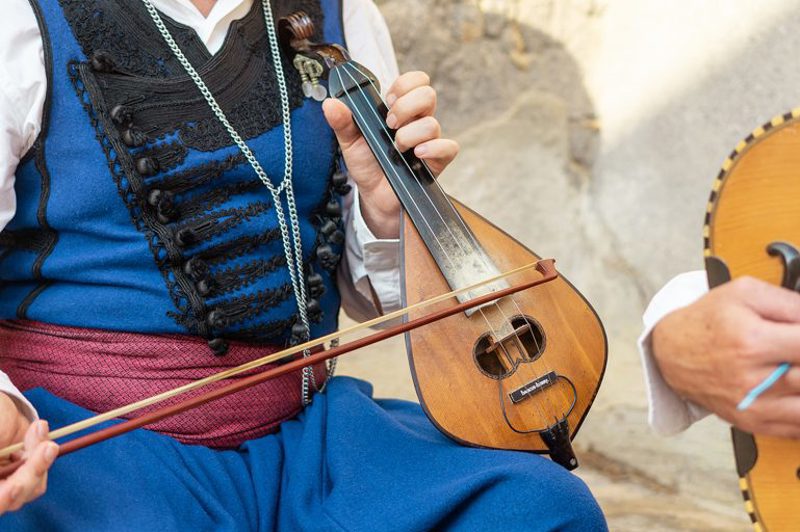

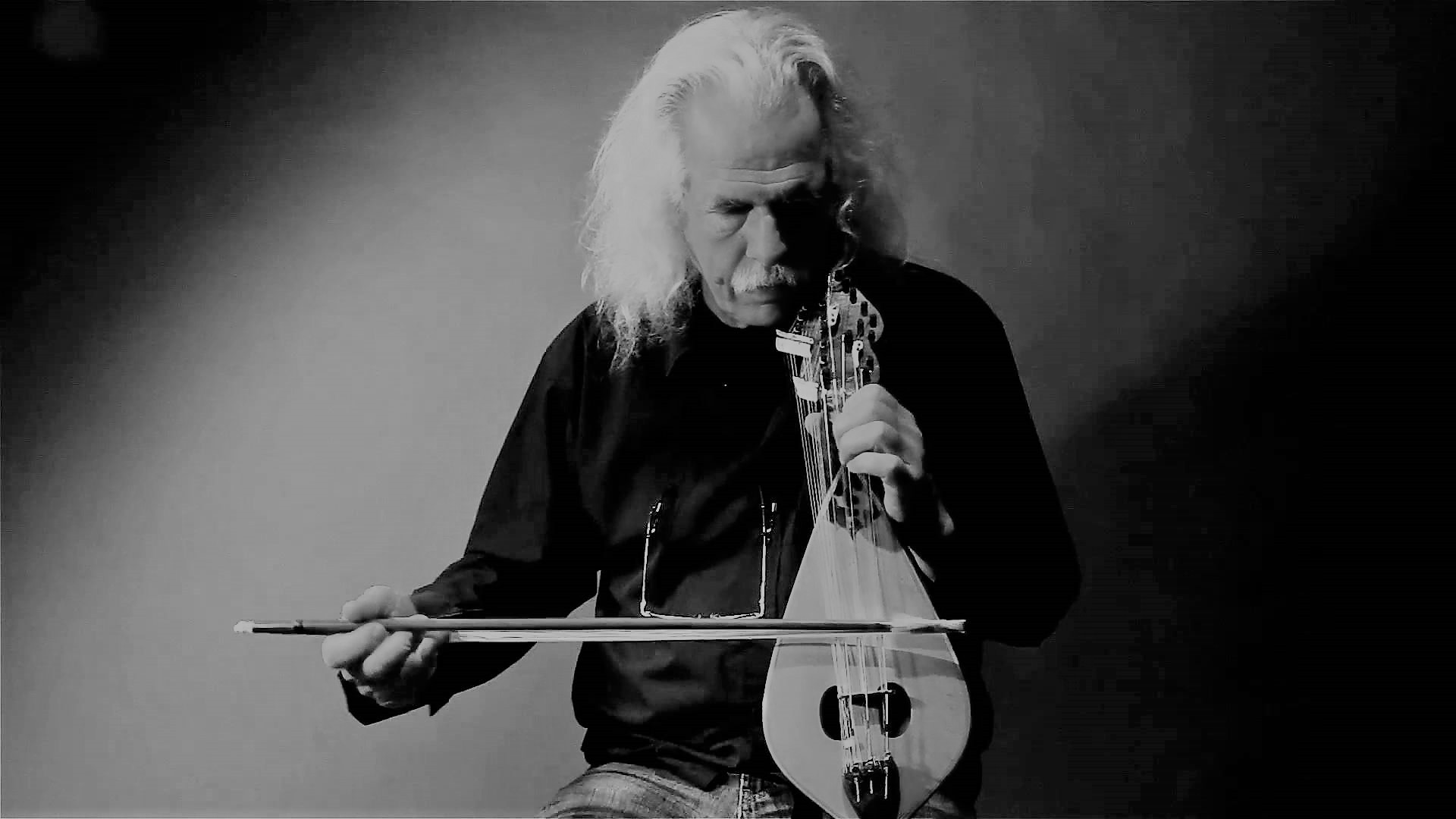
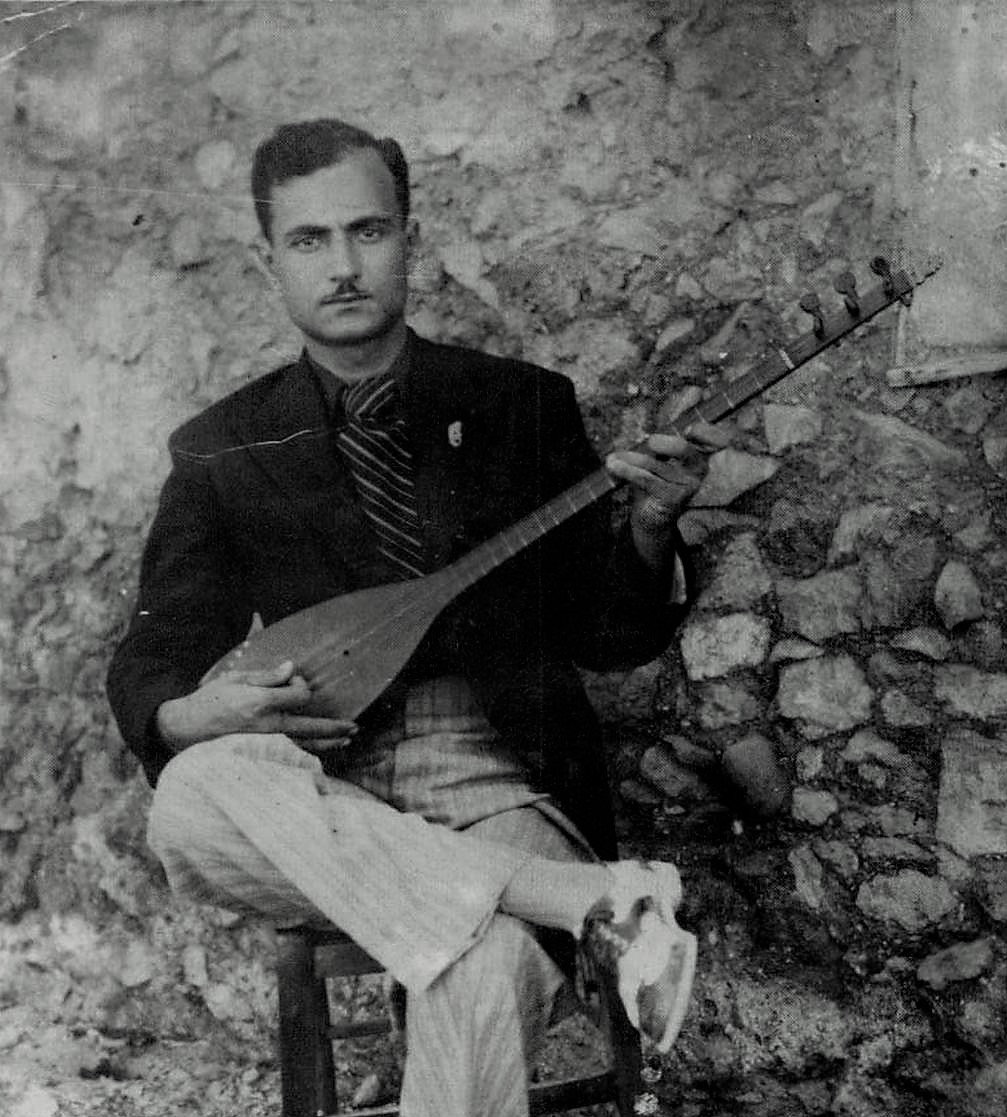
During Venetian rule (1204–1669), string instruments evolved locally. The central instrument of Cretan folklore music became the Cretan lyra — a pear-shaped bowed instrument producing intense, expressive tones.
Accompanied by the laouto (lute), the lyra defined village celebrations, weddings, and festivals. Under Ottoman occupation, music also became coded resistance. Lyrics often contained metaphorical references to freedom and exile.
Dances such as pentozali developed as expressions of defiance and pride.
Music was not entertainment. It was identity.
🗣️ Mantinades – Poetry in Two Lines
One of the most distinctive elements of Cretan music is the mantinada — improvised rhyming couplets, usually in 15-syllable verse. Sung spontaneously, mantinades address love, honor, politics, and satire.
They reflect:
- Quick wit
- Oral tradition
- Emotional directness
Improvisation is highly valued. Skill lies in speed and authenticity, not rehearsal.
🏔️ Regional Variations Across Crete
Cretan music is not uniform. Regional differences exist:
- Western Crete (Chania region): heavier emphasis on pentozali rhythm
- Central Crete (around Heraklion): structured lyra traditions
- Eastern Crete (Lasithi): smoother melodic phrasing
Mountain villages historically preserved more traditional forms, while coastal towns absorbed external influences.
🎶 20th Century & Modern Revival
In the 20th century, iconic lyra players recorded traditional pieces, bringing Cretan music beyond village boundaries. Radio and later recording studios standardized certain melodies, yet improvisation remains central.
Modern Cretan musicians often blend traditional structure with contemporary instrumentation, but the lyra remains dominant. Festivals throughout the island continue to feature live music — not playback.
🍷 Music, Food & Community

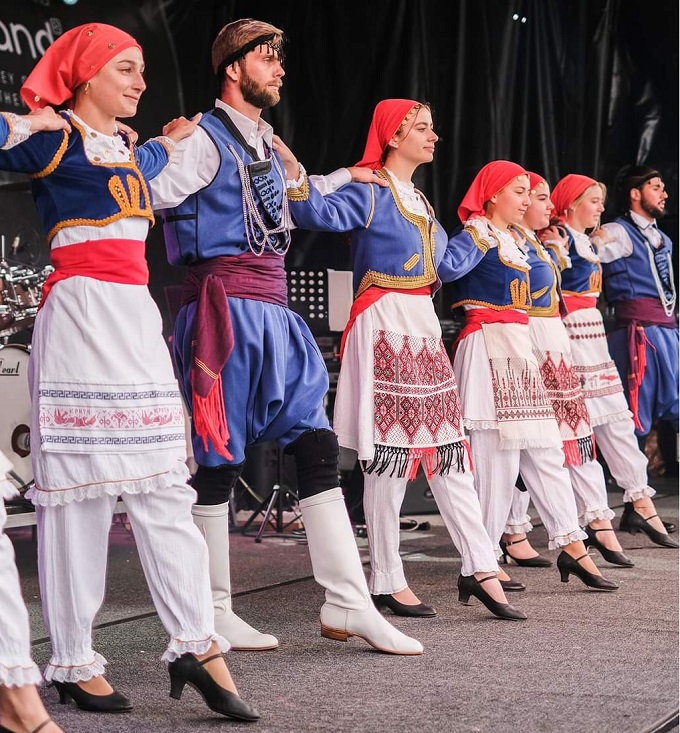
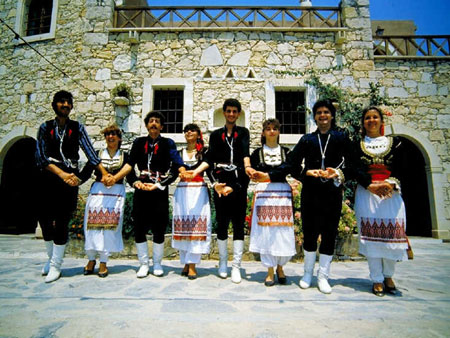
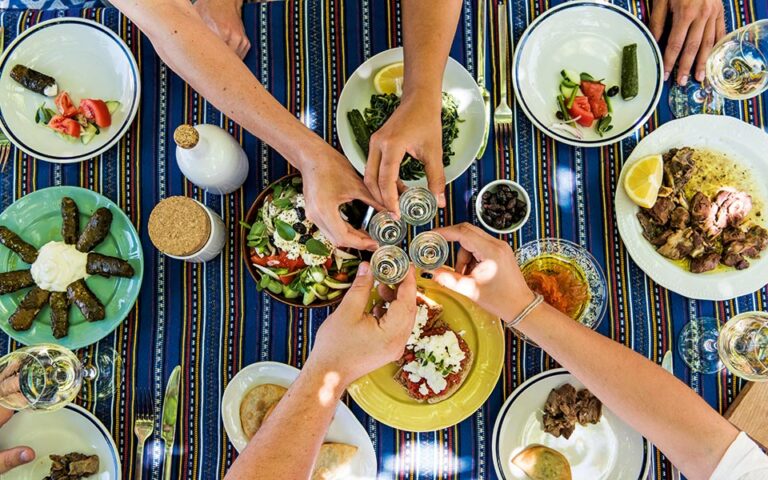
Music in Crete is inseparable from gathering. A village feast includes:
- Live lyra and laouto
- Circle dances
- Shared food and raki
- Improvised mantinades
No one remains passive. Participation is expected.
Why Cretan Folklore Music Endures
Because it adapts without losing foundation.
It survived:
- Venetian occupation
- Ottoman rule
- German occupation during WWII
- Modern tourism
It persists because it functions socially. It reinforces belonging.
Cretan folklore music is not museum heritage. It is a living sound system that connects the past to the present.