Sfedoni Cave & the Surrounding Villages – Stone, Silence and Rural Crete
In the foothills of Mount Ida, inland from the north coast of Rethymno, you will find one of Crete’s most impressive geological sites: Sfedoni Cave. Located near the traditional village of Zoniana, this region combines natural spectacle with pastoral mountain life. It is Crete away from beaches — colder air, slower rhythm, stronger roots.
🏛️ Sfedoni Cave – A Monument of Limestone

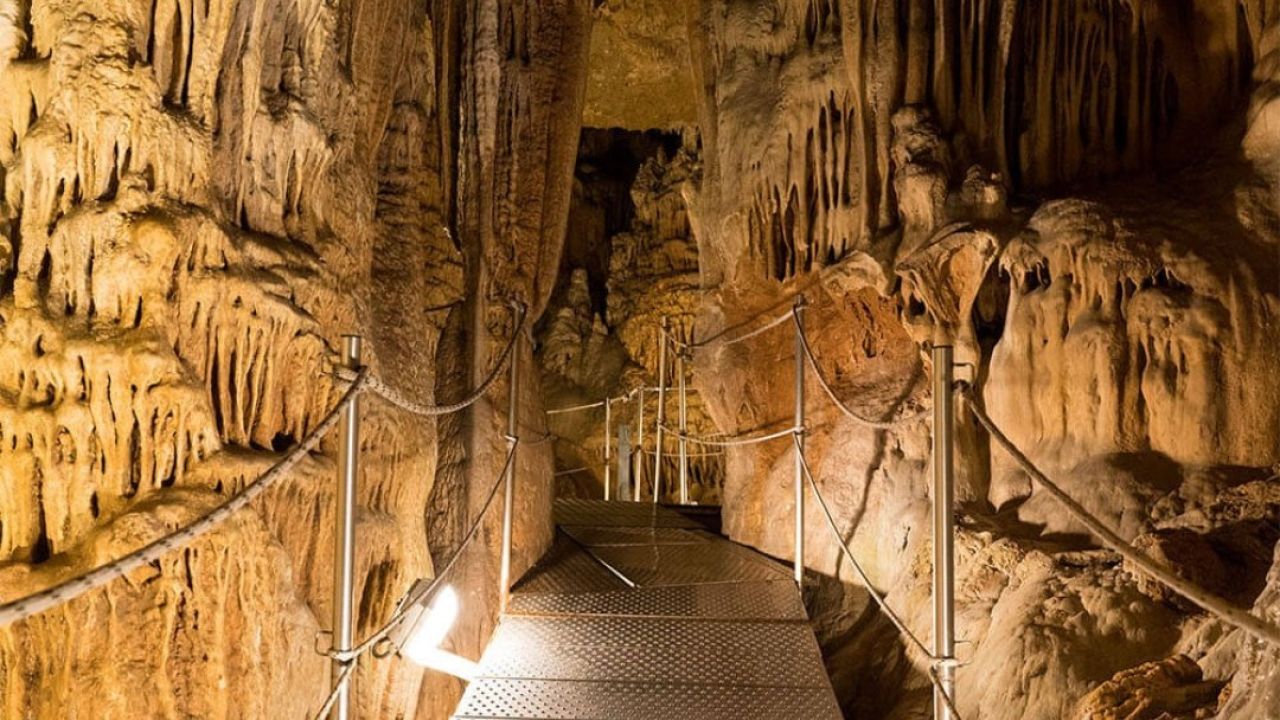
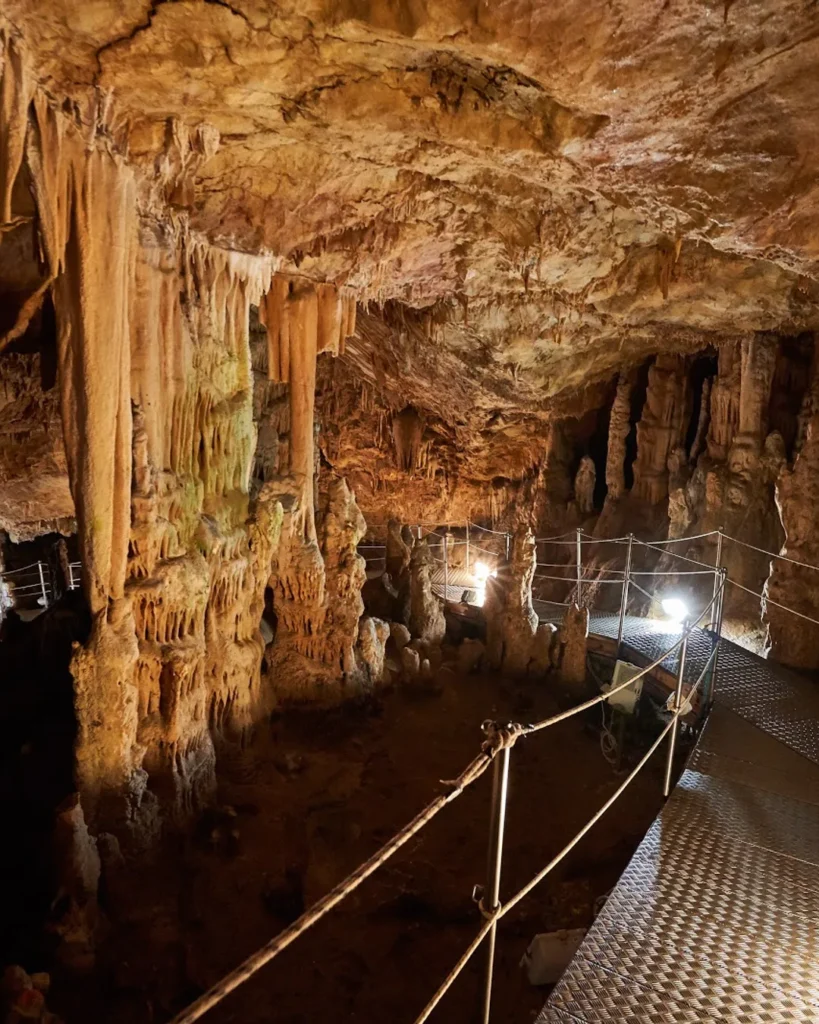

Also known as Zoniana Cave, Sfedoni extends over 3,000 square meters, with approximately 300 meters accessible to visitors. Inside, you encounter dense formations of stalactites and stalagmites shaped over thousands of years.
The cave was used in antiquity and later served as a refuge during periods of conflict. Today, it is carefully lit and organized for guided visits, making it one of the most accessible major caves in Crete.
Expect:
- Large decorated chambers
- Controlled lighting highlights formations
- Stable walking paths
- Noticeably cooler temperatures year-round
This is geology on display — not mythology, but measurable time carved into stone.
🏔️ Zoniana – Mountain Village Identity

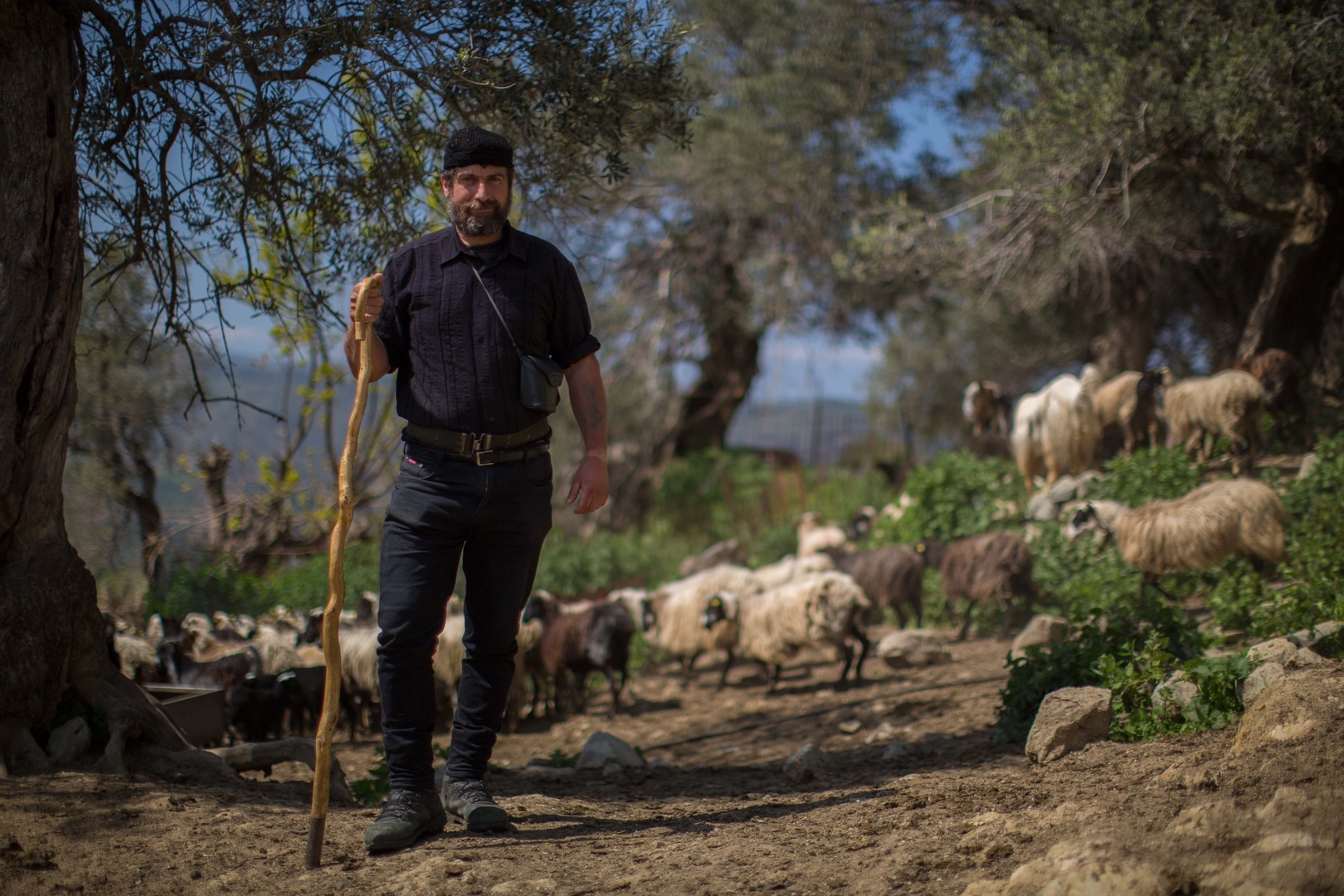


Sfedoni Cave sits just outside Zoniana, a mountain village known for livestock breeding and strong pastoral culture. The village lies on the slopes of Mount Ida, Crete’s highest mountain.
Zoniana is:
- Agricultural
- Direct in character
- Known for dairy production
- Rooted in shepherding traditions
Village life here remains structured around land and livestock.
🏘️ Nearby Villages Worth Visiting
Anogia
Anogia is one of Crete’s most historically significant mountain villages. Known for resistance during World War II and for preserving traditional music, Anogia represents highland Cretan identity at its strongest.
Axos
A quieter settlement with ancient origins, Axos offers panoramic mountain views and access to hiking paths.
Livadia
A small village further into the mountains, known for authentic shepherd culture and minimal outside influence.
These villages are not curated for tourism. They function year-round.
🥩 What to Do in the Area
- Visit the Sfedoni Cave with a guided tour
- Drive through mountain routes around Psiloritis
- Taste local Graviera cheese and dairy products
- Eat slow-cooked goat or lamb in village tavernas
- Explore nearby hiking trails
The altitude and mountain terrain make the region feel distinct from coastal Crete.
Why Visit Sfedoni & the Highland Villages?
Because they represent inland Crete — raw, elevated, structured around livestock and resilience.
You will not find luxury resorts.
You will find:
- Geological depth
- Mountain silence
- Authentic village rhythm
- Strong local identity
If coastal Crete is outward-looking, the Psiloritis region is inward and self-contained.
And sometimes, that is exactly what makes it worth the drive.