Archaeological Sites of Heraklion
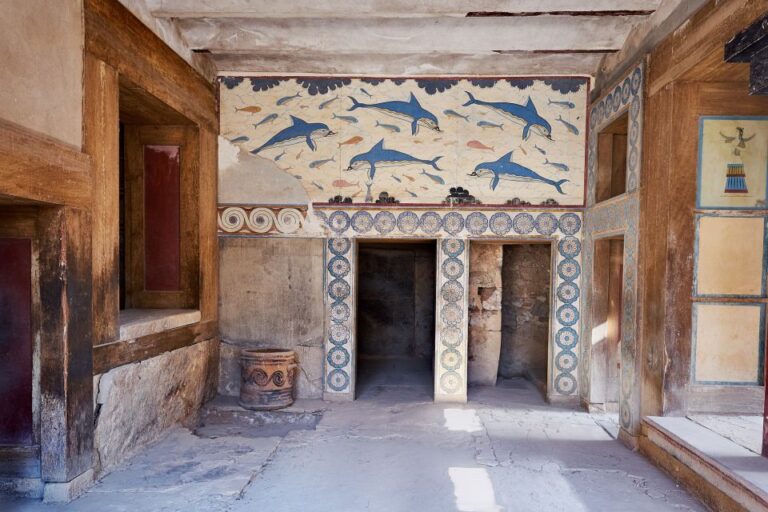
Knossos Palace


The Palace of Knossos, located about 5 km from Heraklion, is the most important center of the Minoan civilization, one of the earliest advanced societies in Europe.
According to Greek mythology, Knossos was the seat of King Minos and the setting for famous legends such as the Minotaur and the Labyrinth, as well as the story of Daedalus and Icarus.
Visitors walking through the ruins today encounter impressive architectural remains, colorful frescoes, ceremonial spaces, and the famous Throne Room. The surrounding archaeological area reveals traces of life from the Minoan era through Roman times, offering a rare glimpse into how ancient societies evolved over centuries.
Suggested internal link:
👉 Link here to your Knossos Tours from Heraklion or Elounda
Phaistos Palace


The Palace of Phaistos, located in southern Crete overlooking the fertile Messara Plain, is the second-largest Minoan palace on the island.
The first palace was built around the beginning of the 2nd millennium BC, before being destroyed by fire around 1700 BC. A larger and more elaborate palace was then constructed on the same site.
Today, Phaistos is considered one of the most atmospheric archaeological sites in Crete. Unlike Knossos, it was never heavily reconstructed, giving visitors a more authentic sense of how the ancient complex originally looked.
Malia Palace


Located about 35 km east of Heraklion, the Malia Palace was another powerful administrative center of the Minoan world.
Like many Minoan palaces, it was destroyed around 1700 BC, rebuilt, and later destroyed again around 1450 BC.
The site remained unknown to the modern world until the early 20th century, when archaeological excavations revealed the palace ruins and important artifacts, including the famous golden bee pendant, one of the most celebrated pieces of Minoan jewelry.
Ancient City of Gortyna


The ancient city of Gortyna was one of the most powerful cities in ancient Crete and later became the Roman capital of the island.
Among its most famous discoveries is the Gortyn Code, one of the oldest legal inscriptions in Europe. The archaeological site includes Roman structures, temples, basilicas, and extensive ruins that cover thousands of years of history.
Traditional Villages and Cultural Landscapes
Archanes Village

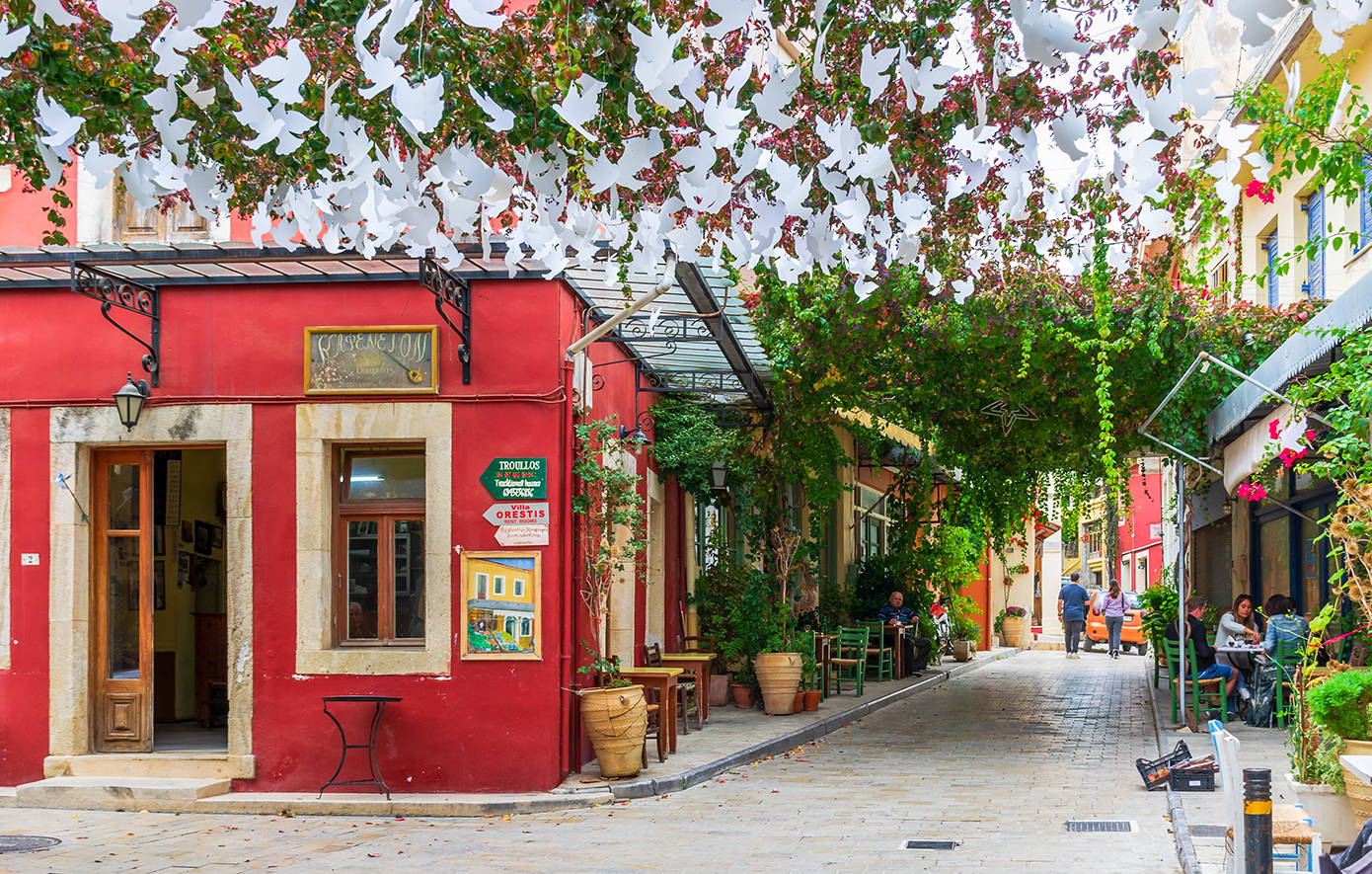
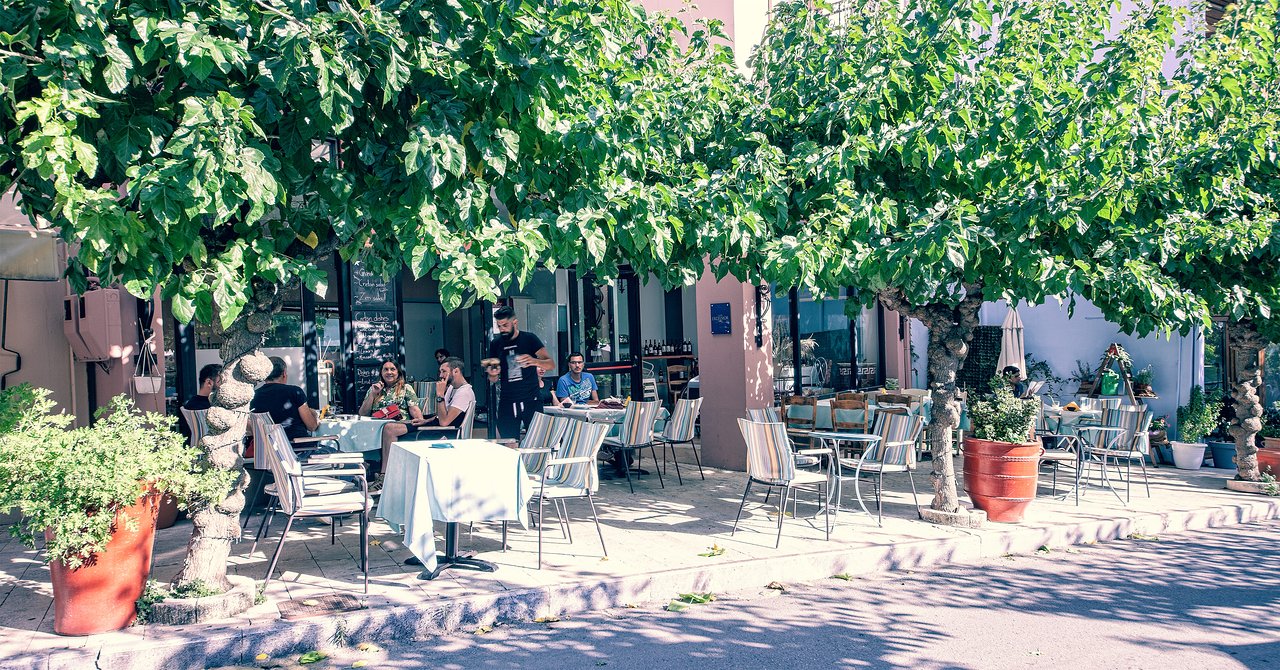
Only 14 km from Heraklion, the picturesque village of Archanes offers visitors a beautiful blend of archaeology, wine culture, and authentic Cretan life.
With its colorful restored houses, narrow streets, and lively squares, Archanes is often considered one of the most charming villages in Crete. The surrounding area is famous for vineyards and olive groves, making it an ideal destination for wine tastings and traditional gastronomy experiences.
Suggested internal link:
👉 Link to your Peza Valley Wine Tours or Cooking Classes in Archanes
Museums of Heraklion
Heraklion Archaeological Museum
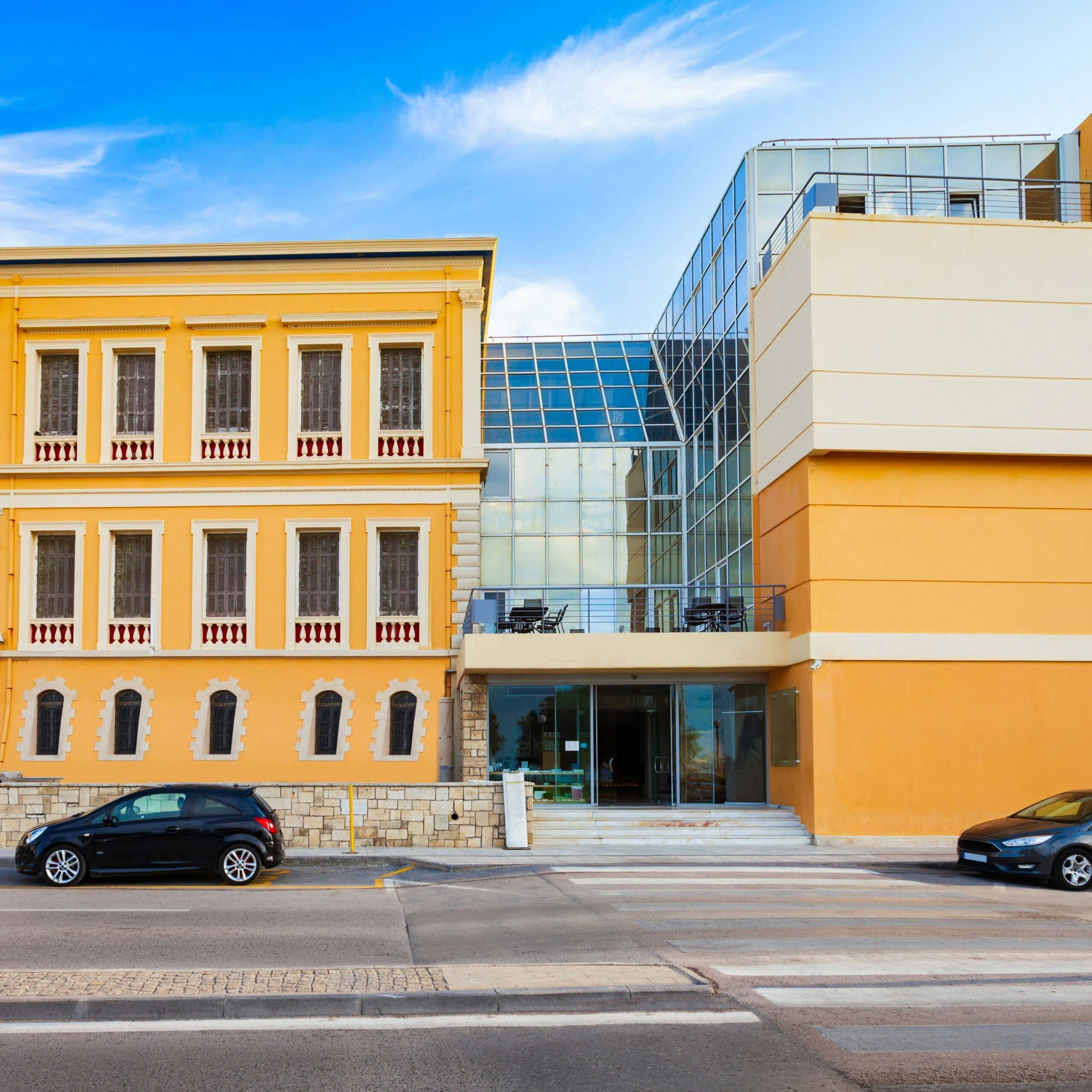
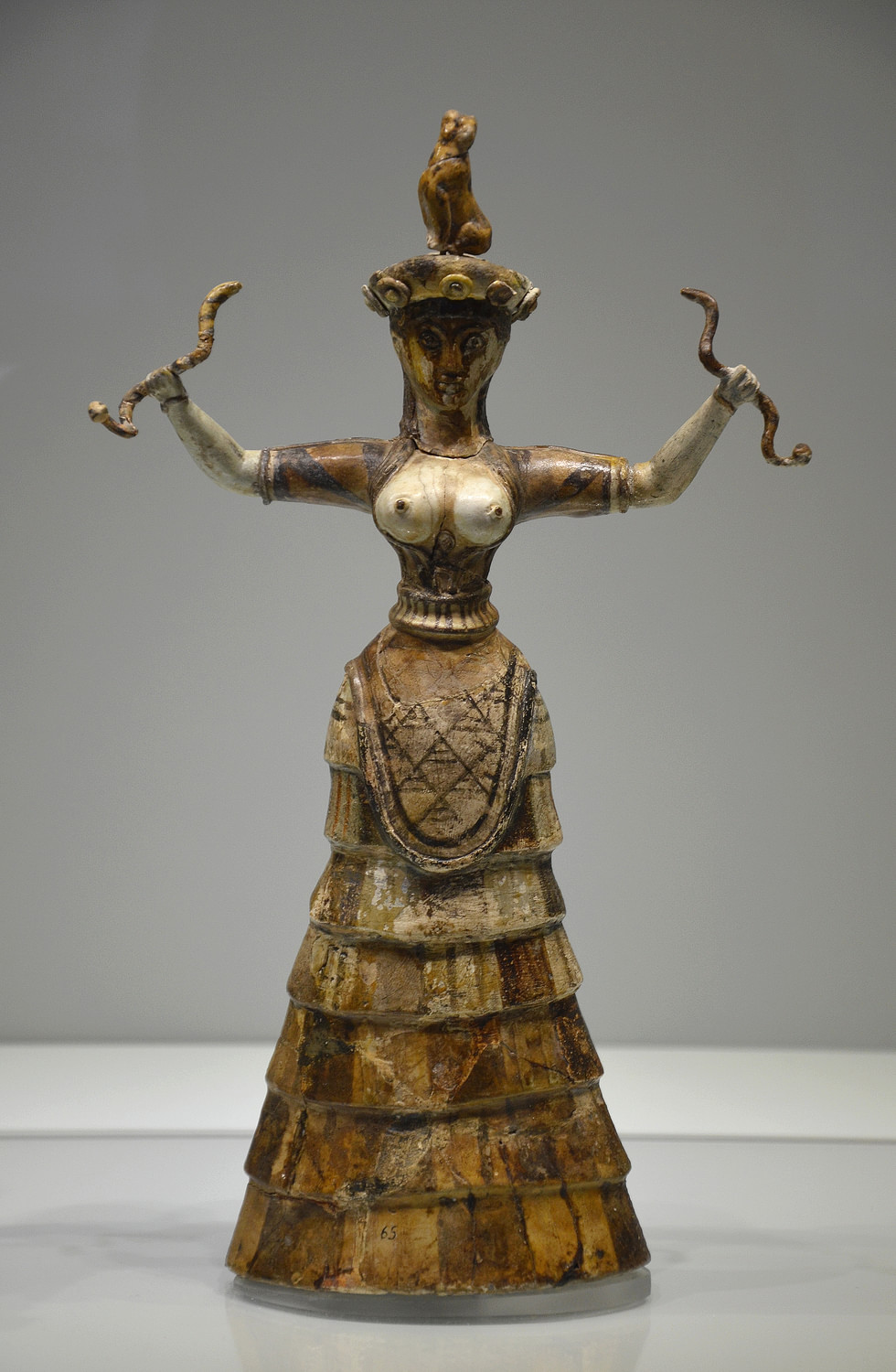
The Heraklion Archaeological Museum is considered one of the most important museums in Greece and holds the most complete collection of Minoan artifacts in the world.
Its exhibitions span more than 5,500 years of history, from the Neolithic era to Roman times, including masterpieces such as the Snake Goddess figurines, the Phaistos Disc, and the famous Minoan frescoes.
For anyone interested in ancient history, this museum is an essential stop before or after visiting the archaeological sites of Crete.
Historical Museum of Crete
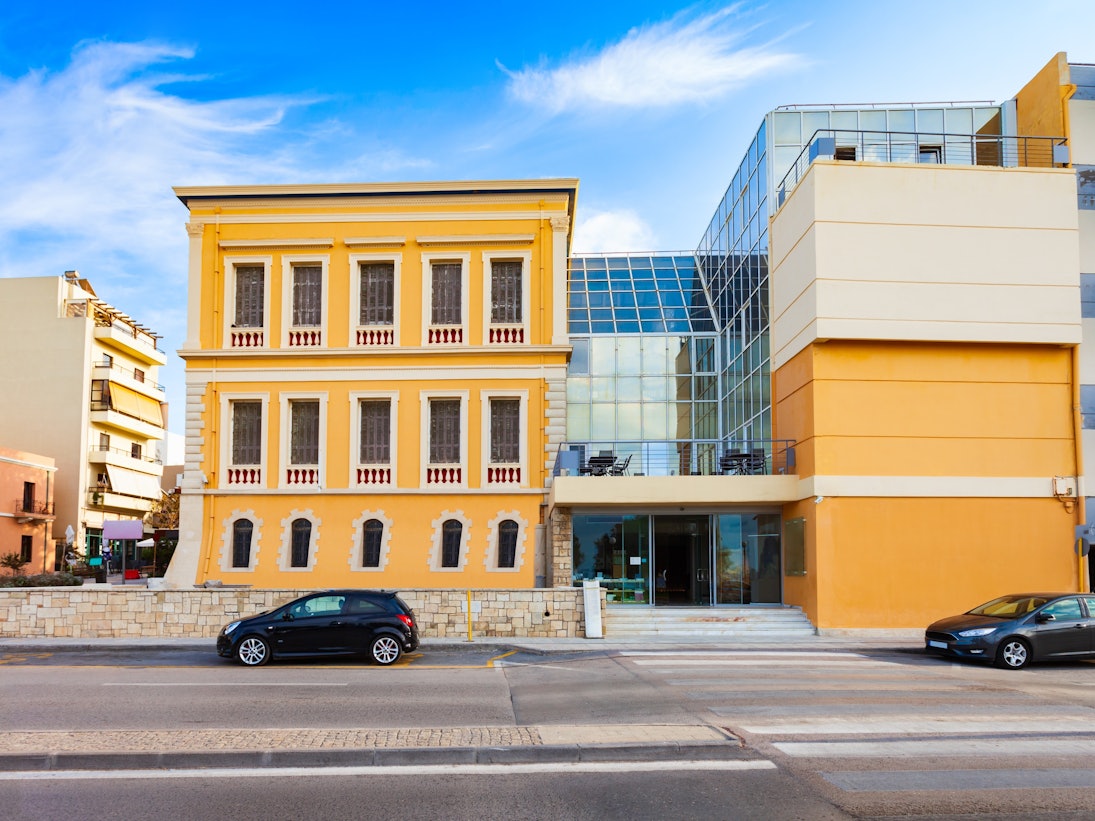
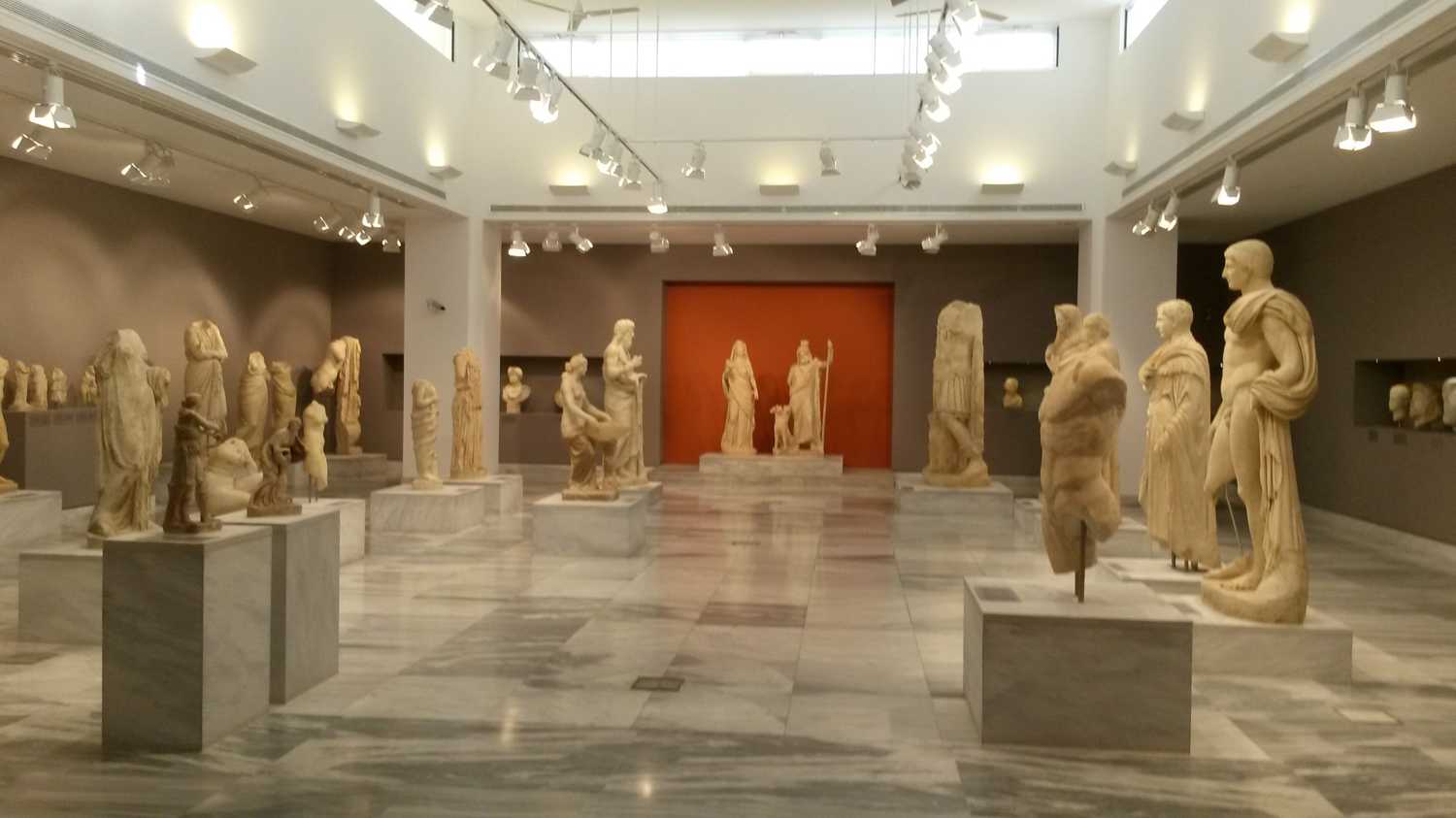

Founded in 1953, the Historical Museum of Crete presents the island’s history from the early Christian era through modern times.
Among its highlights are two rare paintings by El Greco, one of the most influential painters of the Renaissance who was born in Crete.
Why Heraklion Is the Cultural Heart of Crete
Heraklion sits at a crossroads of civilizations. For thousands of years, traders, artists, rulers, and storytellers passed through this region, leaving behind layers of culture that can still be explored today.
Ancient palaces, Roman cities, Byzantine churches, Venetian fortifications, traditional villages, and world-class museums coexist within a relatively small area — something few places in the Mediterranean can claim.
For travelers seeking more than beaches, Heraklion offers a journey through myth, archaeology, gastronomy, and living Cretan traditions.