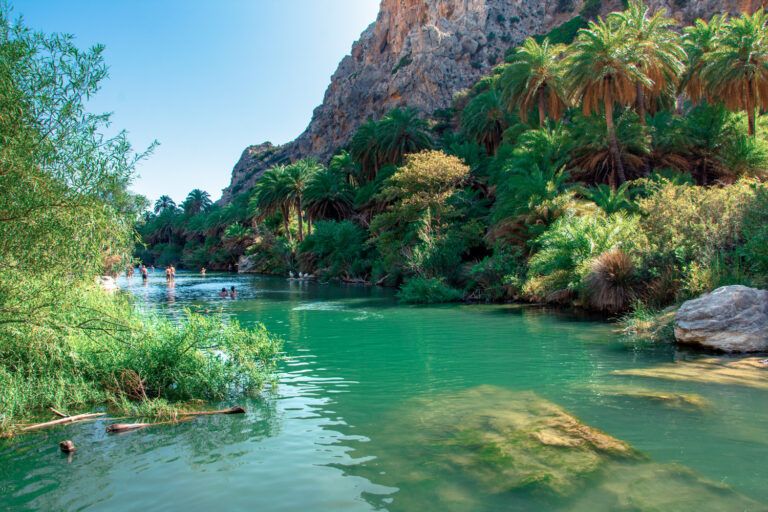
« Bougatsa: The Ultimate Gastronomic Delicacy That Becomes an Experience in Heraklion »

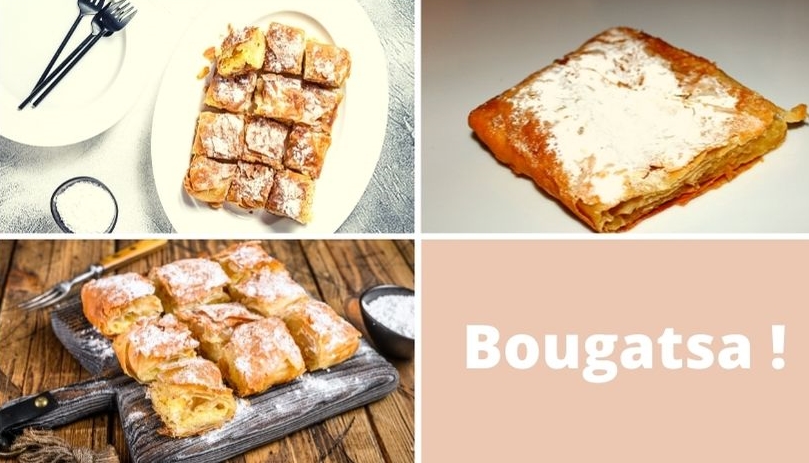

In the heart of Heraklion, this humble pastry — bougatsa — isn’t just breakfast: it’s ritual. Landing from the ferry? Your first stop often becomes the ovens near “the Lions” square; working the whole day? Bougatsa still guides you. It’s tradition, handed down through generations, and to every visitor, a small but potent chapter of local culture. (travel.gr)
Originating in the skyline of Istanbul, this pastry travelled with the displaced people of 1922 into the heart of Crete, planting itself firmly into the island’s gastronomic landscape. (travel.gr) Its ancestors are traced back to the Byzantine period — early records mention “pogatsa” baked in pans, served with icing sugar as early as the 16th–17th centuries. (travel.gr)
In northern Greece, bougatsa is sold by weight (about 160 g portions) and comes cut into bite-sized pieces; in the south — including Crete — it’s sold by the piece, usually the cream-filled version dusted with icing sugar and cinnamon. (travel.gr) In Heraklion, buying a slice means stepping into the local rhythm: sugar-dusted, cinnamon-floating, tradition-wrapped.
And here’s a smaller but meaningful detail: on New Year’s Day, many locals greet the year with a piece of bougatsa, hoping for sweet and joyful times ahead. (travel.gr)
Why this matters for your tours
When you include a stop for bougatsa in Heraklion, you’re treating your guests to more than a snack. You’re offering a moment of cultural immersion: the buttery crunch, the steam rising from the creamy filling, the sugar dusting—a moment that says “we’re here, rooted in the old ways, but alive now.” If you like, I can draft a short-handout (in English and Greek) that your guests can keep: “What is bougatsa? How to enjoy it like a local in Heraklion.” Would that be helpful?