Cretan Nights & Panigyri – When the Island Comes Alive
A Cretan night is not a scheduled show. It is a social eruption. When music begins, and tables fill with wine and raki, the island shifts into its natural rhythm. The panigyri — the traditional village feast usually tied to a saint’s name day — is one of the most authentic expressions of Cretan culture. It is not organized for tourists. It is organized for continuity.
🎻 What Is a Panigyri?

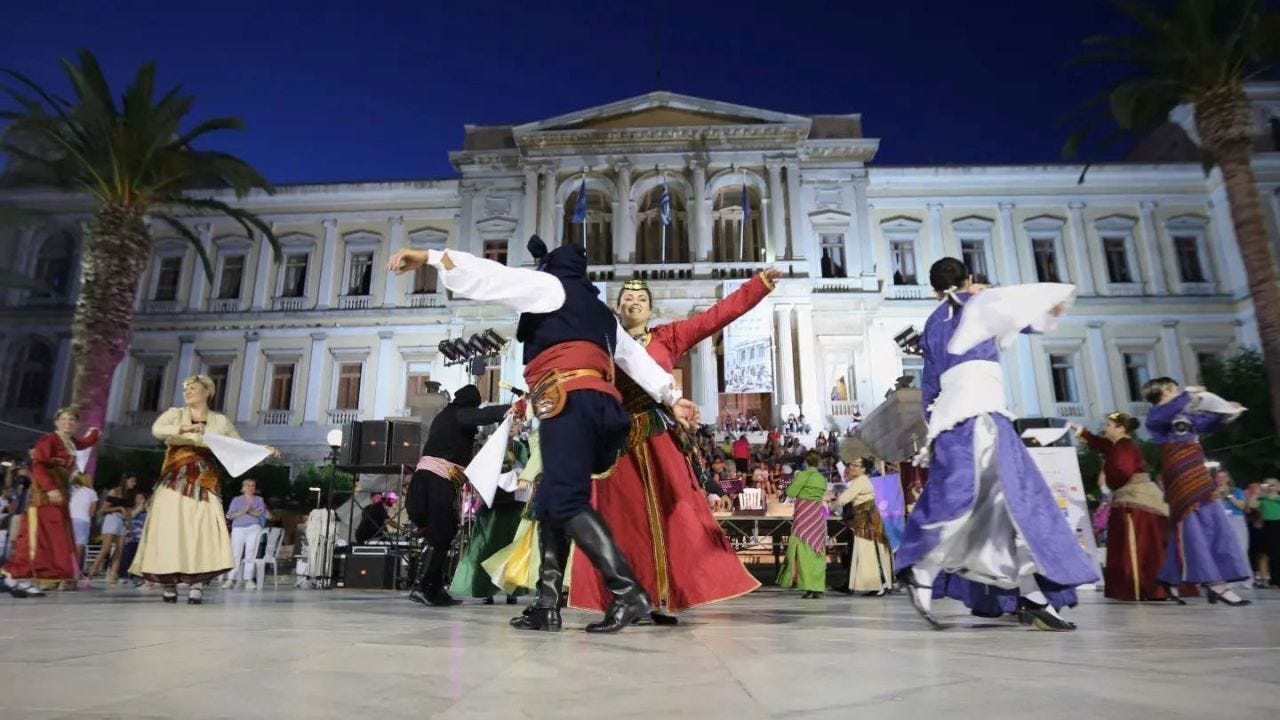
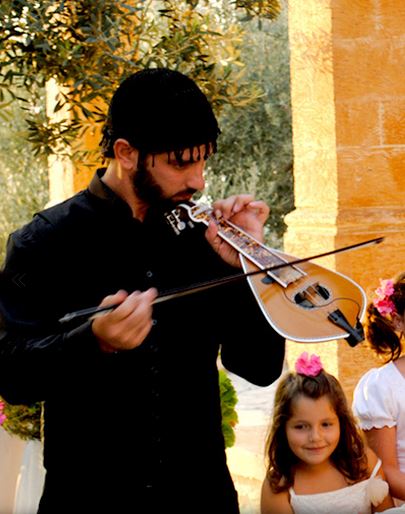
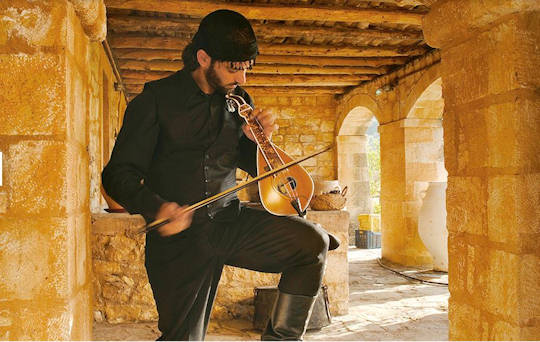
A panigyri begins with religion and ends with music. It is typically held on the feast day of a local church. After the liturgy, the village square transforms:
- Long communal tables
- Live lyra and laouto
- Slow-roasted lamb or goat
- Unlimited raki
- Dance circles forming organically
The heart of the music is the Cretan lyra, whose sound is sharp, emotional, and unmistakable. There is no playlist. Everything is live.
🥩 Food & Drink – Agricultural, Not Decorative


Cretan nights are grounded in the island’s agricultural base.
Expect:
- Antikristo lamb (slow-cooked facing the fire)
- Pilafi rice with broth
- Kalitsounia pies
- Seasonal salads with local olive oil
- Wine from nearby vineyards
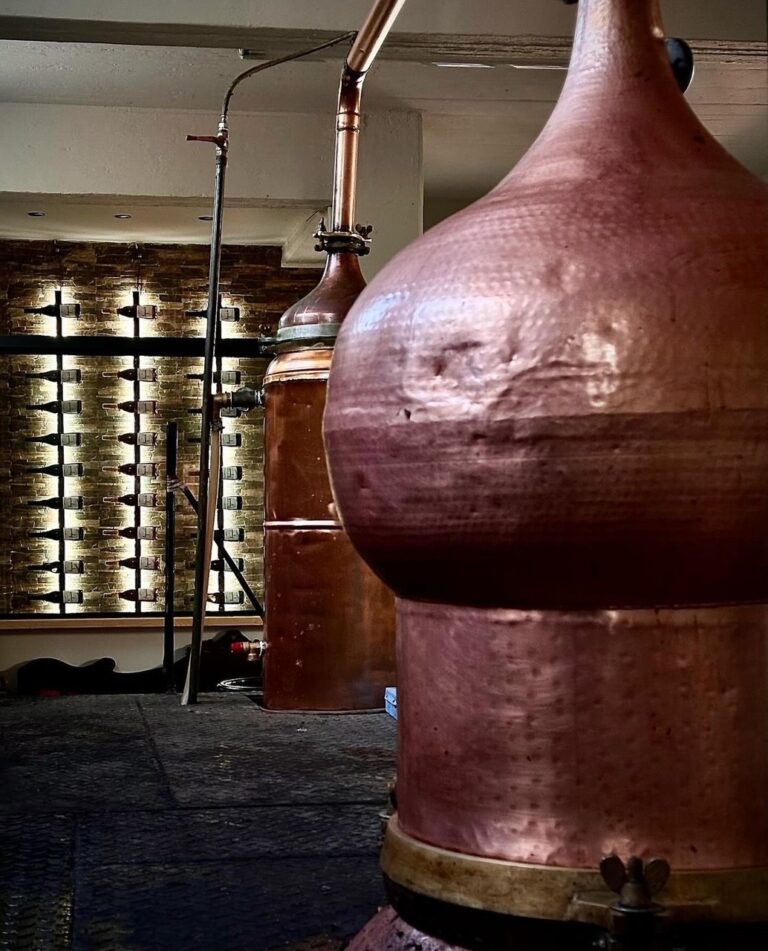
- Raki is distilled after harvest
Nothing plated for aesthetics. Portions are generous. Refusing raki repeatedly is not advised.
💃 The Dance – Participation, Not Performance
Traditional dances like pentozali and sousta form in circles. There is a lead dancer, but hierarchy dissolves quickly. Young and old enter the line. Skill varies. Energy does not.
Cretan dance reflects historical resistance. Fast tempo, sharp steps, controlled aggression. Under Ottoman rule, music and dance preserved identity when open expression was dangerous.
A Cretan night is both celebration and inheritance.
🏛️ Regional Differences
From western Crete to Lasithi in the east, panigyria vary in scale but not spirit. Around Heraklion, village feasts often combine mountain traditions with wine from nearby valleys. Coastal towns may incorporate seafood and maritime influences.
Yet the structure remains:
Church → Food → Music → Dance → Dawn.
🌙 Modern “Cretan Nights.”
Some organized Cretan nights are designed for visitors. They may include structured dance demonstrations and curated menus. While different from spontaneous village panigyria, they still offer:
- Live Cretan music
- Traditional costume displays
- Authentic dishes
- Cultural explanation
The key difference is scale and spontaneity.
Why Cretan Nights Matter
Because they reinforce community.
They connect:
- Faith and food
- Music and memory
- Generations at one table
In an era of digital isolation, the Cretan panigyri demands physical presence. You eat together. You dance together. You argue, laugh, and stay longer than planned.
Cretan nights are not entertainment products. They are a social infrastructure.
And when the lyra plays past midnight, under village lights and mountain sky, you understand something simple:
Crete does not celebrate quietly.