The Role of Grandfather and Grandmother in the Cretan Family
In Crete, grandparents are not peripheral figures. They are structural pillars. The Cretan family does not revolve only around parents and children; it operates across generations. The papou (grandfather) and yiayia (grandmother) anchor continuity — transmitting values, land knowledge, faith, dialect, recipes, and unwritten social codes.
👴 The Grandfather – Authority, Memory & Land


Traditionally, the Cretan grandfather represents authority and lived experience. He carries stories of occupation, hardship, agricultural cycles, and village politics. In rural areas near Heraklion and across the mountains, he often:
- Oversees olive groves and vineyards
- Maintains livestock knowledge
- Participates in the kafeneio social circle
- Guides younger generations in land management
His role is advisory but respected. Decisions about property, harvest timing, or family matters frequently pass through him. Even when retired from physical labor, his voice carries weight.
👵 The Grandmother – Guardian of the Hearth & Tradition

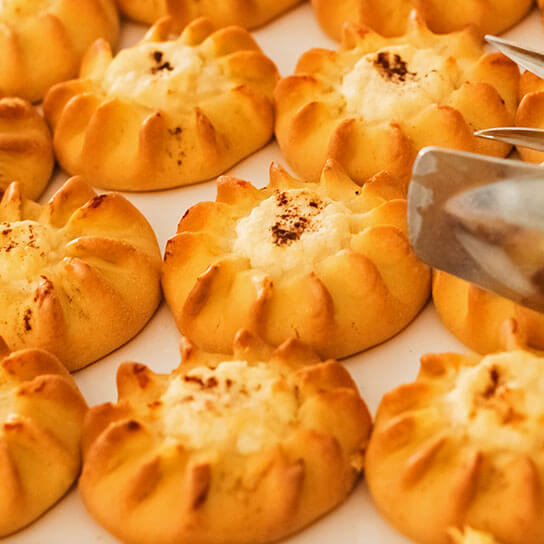

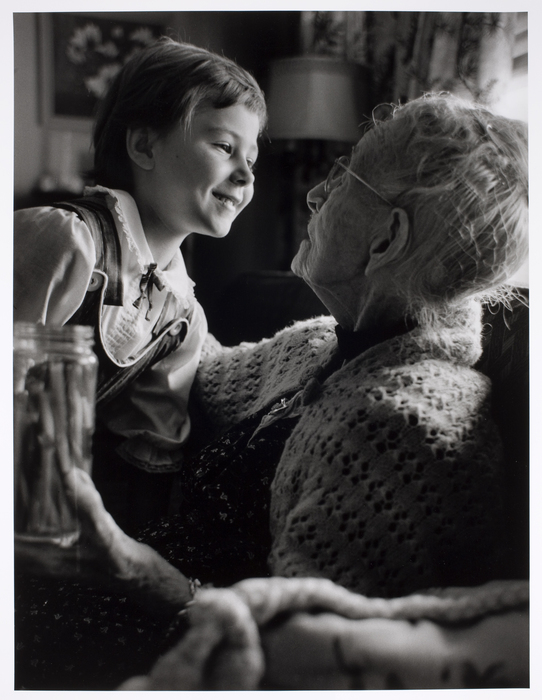
The Cretan grandmother is the cultural transmitter. Recipes, fasting traditions, feast-day rituals, and dialect expressions flow through her.
Her responsibilities historically include:
- Preparing seasonal meals
- Preserving food (cheese, herbs, rusks)
- Teaching grandchildren prayers and customs
- Maintaining family cohesion
Cretan gastronomy survives not because it was written down, but because grandmothers repeated it daily.
🏛️ Continuity Across Generations
In Crete, multi-generational households remain common. Grandparents assist in raising children while parents work. Emotional bonds are strong, not symbolic.
The extended family model reinforces:
- Respect for elders
- Oral storytelling tradition
- Transmission of mantinades (rhyming couplets)
- Participation in religious festivals and village gatherings
Family identity extends beyond nuclear boundaries.
🎻 Social & Cultural Influence
Grandparents often introduce grandchildren to Cretan music and dance. A grandfather may take a child to a village celebration. A grandmother teaches traditional songs or embroidery. These are not structured lessons. They are absorbed naturally.
The Cretan dialect — distinct in tone and vocabulary — is often preserved most clearly among the elderly. Through them, language continuity survives.
Modern Adaptation
Today’s Cretan grandparents may live in cities, manage family businesses, or travel. Yet their function remains similar:
- Emotional stability
- Cultural preservation
- Practical support
Even as Crete modernizes, the presence of grandparents remains central to family structure.
Why Their Role Matters
Because heritage does not transmit automatically.
It requires repetition.
It requires an example.
It requires patience.
In Crete, the grandfather embodies memory and land. The grandmother embodies nourishment and tradition. Together, they form the bridge between past and future.
Without them, culture thins. With them, it remains rooted.