Crete – The Island of Sea, Stone & Continuity
Crete is not simply the largest island in Greece. It is a self-contained world. Mountains divide it, seas protect it, and history weighs heavily upon its soil. From the White Mountains in the west to the palm forests of the east, Crete blends wild landscape, ancient civilization, strong identity, and agricultural tradition in a way few Mediterranean destinations can match. If you are searching for what defines Crete, the island, the answer is simple: depth.
🏛️ Ancient Civilizations & Enduring History


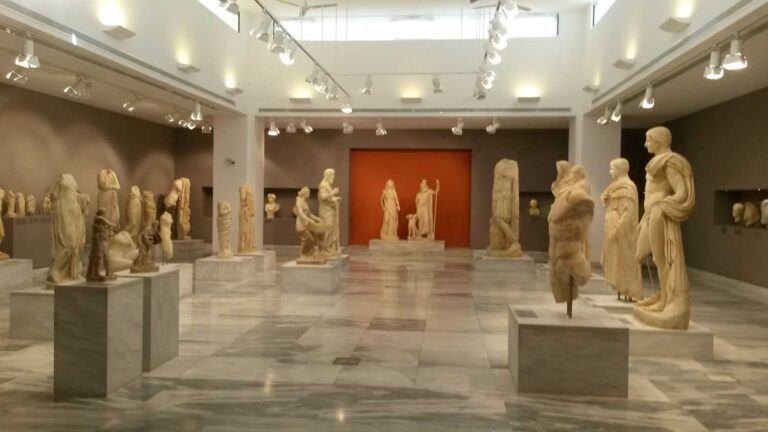
Crete was home to the Minoan civilization — Europe’s earliest advanced society. At sites like Knossos Palace, you see organized cities, drainage systems, frescoes, and evidence of complex trade networks dating back 4,000 years.
Later came the Romans, the Byzantines, the Venetians, and the Ottomans. Venetian fortresses such as Spinalonga and monasteries like Arkadi Monastery stand as reminders that Crete has always been strategically important — and fiercely independent.
History here is not isolated in museums. It is embedded in villages, dialect, and memory.
🌊 Landscapes That Shape Character


Crete’s geography explains its personality.
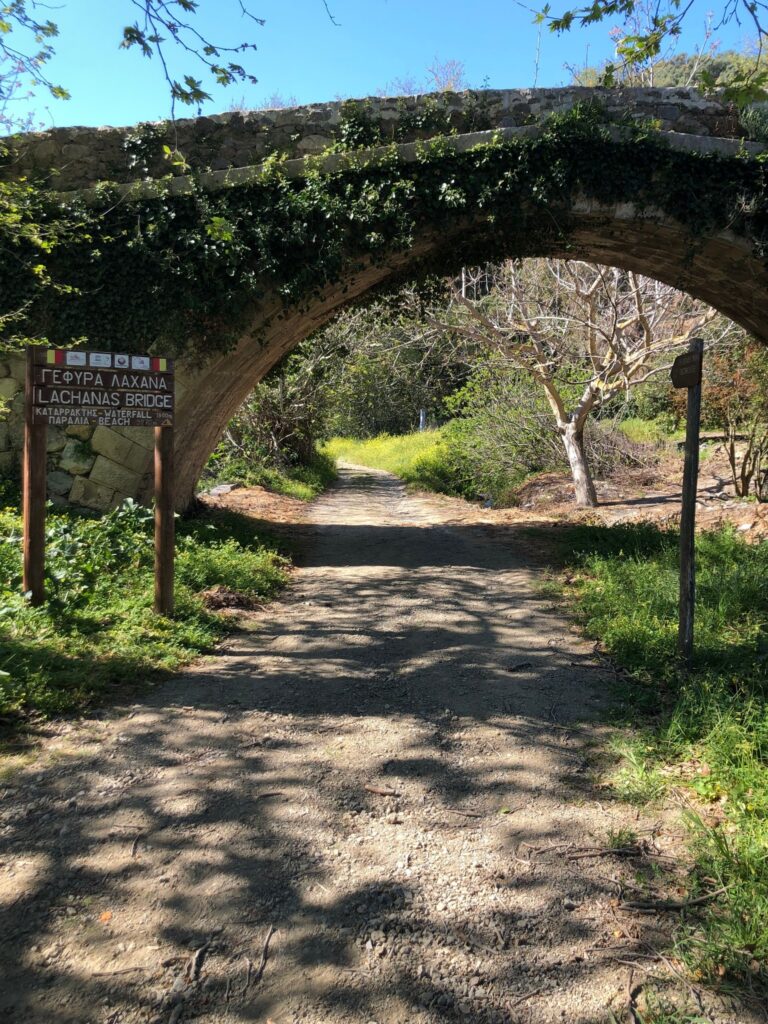
- The White Mountains (Lefka Ori) rise sharply in western Crete.
- The Samaria Gorge cuts through them dramatically.
- Lagoons like Balos Lagoon and beaches like Elafonissi display impossible shades of blue and pink sand.
The island stretches over 260 km from west to east. Mountains protect villages. Fertile plains support vineyards and olive groves. The sea defines daily life.
Crete is not flat. Neither is its identity.
🍷 Agriculture, Food & Wine
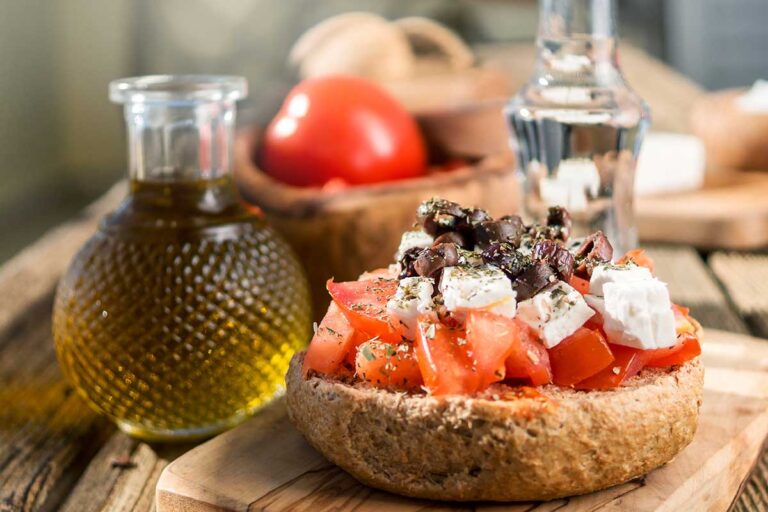
Crete’s economy has long been agricultural. Olive oil, wine, herbs, honey, cheese, and seasonal vegetables form the backbone of the famous Mediterranean diet. Regions around Heraklion and Lasithi produce high-quality extra virgin olive oil and indigenous wines.
Food here follows terrain:
- Mountain villages focus on goat, lamb, and wild greens.
- Coastal towns highlight fresh fish and seafood.
- Vineyards in Peza and Dafnes produce structured, indigenous wines.
Nothing feels important. It belongs to the land.
🎻 Culture & Music
Cretan culture is independent and expressive. The sound of the Cretan lyra, accompanied by the laouto, defines village celebrations. Traditional dances like pentozali are intense and rhythmic — a reminder of Crete’s history of resistance.
Hospitality is not branding. It is expected behavior.
A meal ends with raki. A celebration includes live music. A visitor becomes a guest.
🏙️ Main Regions of Crete
Crete is divided into four regional units:
- Chania – dramatic landscapes, Venetian harbor
- Rethymno – historic old town & monasteries
- Heraklion – archaeological heritage & wine regions
- Lasithi – refined coastal towns like Agios Nikolaos & Elounda
Each region feels distinct, yet unmistakably Cretan.
Why Visit Crete?
Because it offers contrast without chaos.
You can:
- Walk through Bronze Age palaces
- Hike Europe’s longest gorge
- Swim in turquoise lagoons
- Taste olive oil from 1,000-year-old trees
- Listen to live lyra music in a mountain village
Few destinations combine archaeology, gastronomy, dramatic nature, and a strong cultural identity on one island.
Crete does not perform for visitors. It continues being itself.
And that is precisely why people return.