The Cretan Man – Identity Forged by Mountain and Sea
The “Cretan man” is not a stereotype. He is a product of geography, history, and continuity. Raised between mountains and sea, shaped by invasion and resistance, he carries a reputation for independence, hospitality, pride, and stubborn loyalty. To understand the Cretan man is to understand Crete itself — direct, resilient, and unpolished.
🏔️ Mountain Roots & Hard Terrain


Crete’s rugged geography forged character. The White Mountains and other highlands required endurance, self-reliance, and physical strength. Shepherding, olive cultivation, and vineyard work were not optional lifestyles — they were survival systems.
Mountain villages developed tight social structures. Honor, family, and land ownership became central values. Independence was not philosophical. It was necessary.
⚔️ A History of Resistance
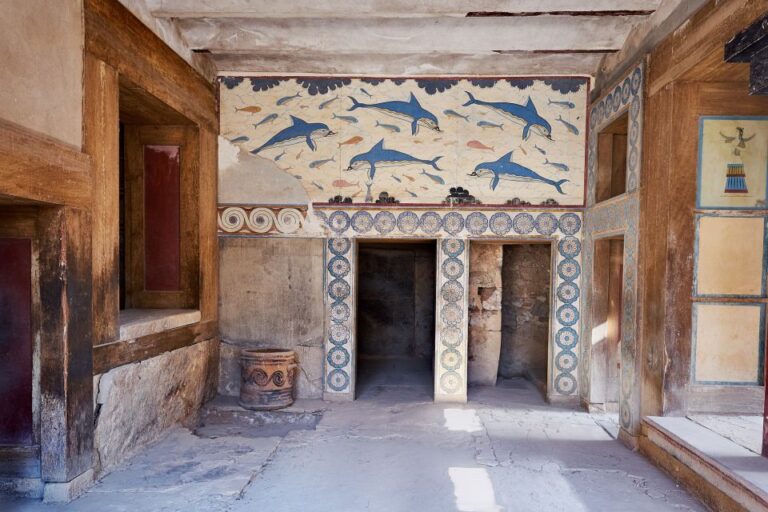
From the era of the Minoan civilization to Venetian and Ottoman occupations, Cretans repeatedly resisted external control. Monasteries such as Arkadi Monastery became symbols of sacrifice and defiance.
The Cretan man historically:
- Protected land and livestock
- Participated in uprisings
- Valued honor above compromise
- Preserved dialect and local customs
Reputation for stubbornness? Yes. But it comes from a long memory of occupation.
🥃 Hospitality & Social Code
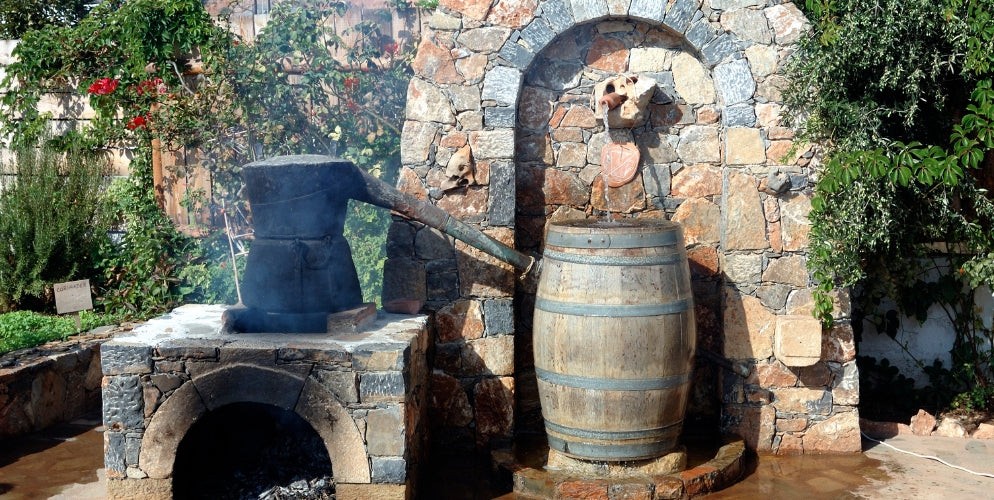
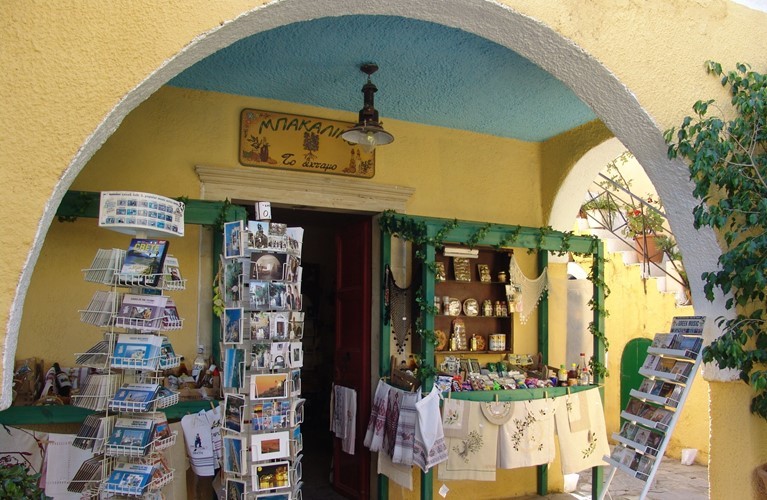


Despite his stern exterior, hospitality is central. A guest is treated as a responsibility, not a consumer. Raki (tsikoudia) appears without request. Meals extend. Conversations last.
The social code includes:
- Respect for elders
- Strong family loyalty
- Public defense of honor
- Open expression of emotion through music and poetry
At the village kafeneio, debates can be intense — but loyalty remains intact.
🎻 Music, Poetry & Expression
The Cretan lyra is central to emotional expression. Cretan men traditionally compose mantinades — short rhyming couplets improvised in social gatherings.
Music and dance, such as pentozal,i reflect both pride and controlled aggression. Expression is public, direct, and unapologetic.
🧠 Tradition in Modern Crete
Modern Cretan men may run businesses, manage hotels, study abroad, or operate wineries around Heraklion. Yet core values persist:
- Land matters
- Family matters
- Word matters
Adaptation occurs, but identity remains anchored in heritage.
Beyond the Stereotype
The Cretan man is often described as proud, loud, or stubborn. Sometimes true. But beneath that exterior lies:
- Deep loyalty
- Generosity
- Cultural awareness
- Attachment to place
He may not soften language for comfort. But authenticity is rarely polished.
Why It Matters
Understanding the Cretan man helps you understand Crete:
A land shaped by hardship.
A culture built on resistance.
A society that values continuity over trend.
He is not a museum relic. He evolves — but on his own terms.