The Cretan Woman – Strength in Silence, Power in Continuity
If the mountains forged the Cretan man, the hearth preserved the Cretan woman. The Cretan woman is not history background — she is its quiet architect. From Minoan priestesses to village matriarchs, her role in shaping family, agriculture, culture, and resistance has been structural, not decorative. She carries tradition without announcing it.
🏛️ Ancient Presence – From Minoan Times


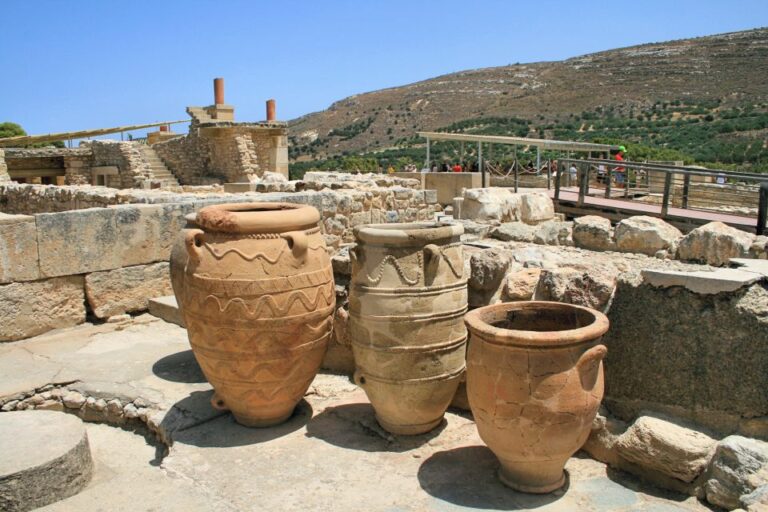
In the era of the Minoan civilization, frescoes from Knossos Palace depict women in positions of prominence — participating in ceremonies, holding status, and visible in public life. Unlike many ancient societies, Minoan Crete appears to have granted women social visibility and influence.
That early presence left cultural residue. Cretan women were never passive figures.
🌿 Guardians of the Household & Land


In rural Crete, especially around villages near Heraklion and across Lasithi, the Cretan woman traditionally:
- Managed household economy
- Prepared seasonal food
- Preserved recipes and agricultural practices
- Raised children with strong cultural identity
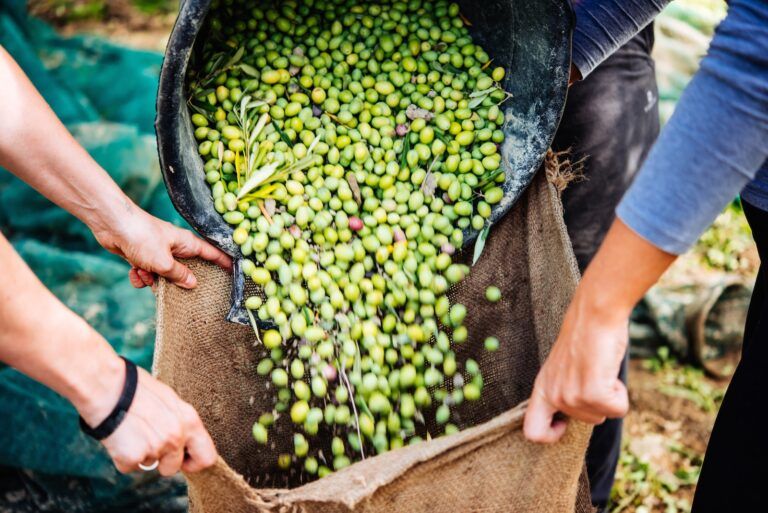
- Worked in olive harvest and vineyards
She maintained the rhythm of daily life. Food, language, ritual — all passed through her.
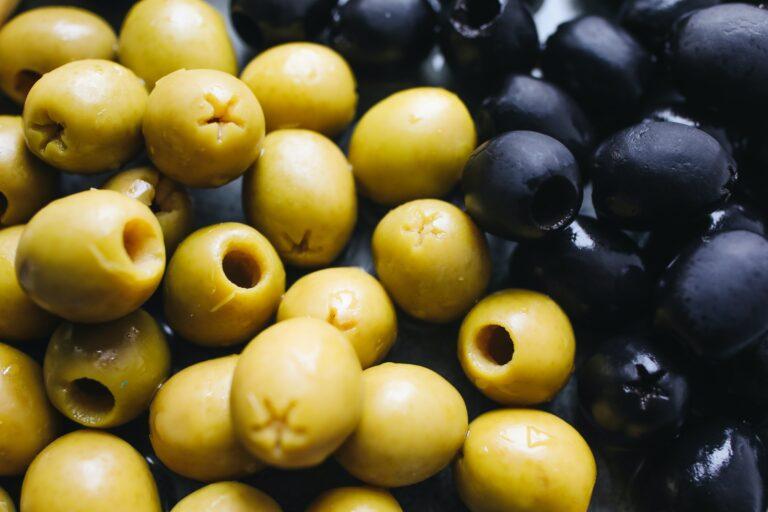
Cretan cuisine, often praised globally, survives because of women who cooked without recipes, measuring by instinct and memory.
⚔️ Resilience Through Occupation
During Venetian and Ottoman periods, women supported resistance movements, protected families, and maintained social networks when men were absent or fighting. Heritage in Crete was not preserved by accident. It was maintained deliberately — often by women behind closed doors.
Strength here is not loud. It is sustained.
🎻 Culture, Song & Expression
Women participate fully in Cretan music and dance traditions. Mantinades (rhyming couplets) are not exclusively male. Emotional expression through song, especially in weddings and festivals, carries a female perspective and influence.
Traditional attire — embroidered dresses, headscarves, woven fabrics — reflects craftsmanship and aesthetic continuity.
👩💼 The Modern Cretan Woman
Today, the Cretan woman is a business owner, winemaker, academic, entrepreneur, hotel manager, and olive oil producer. She studies abroad, returns, and modernizes without erasing roots.
You will find her:
- Running family wineries
- Managing tourism businesses
- Leading cultural initiatives
- Preserving agricultural tradition
She adapts. She does not abandon.
Beyond the Romantic Image
The Cretan woman is often portrayed as nurturing and maternal. True — but incomplete.
She is also:
- Decisive
- Economically active
- Emotionally direct
- Protective of family honor
- Fiercely independent
Soft in tone, firm in principle.
Why the Cretan Woman Matters
Because continuity depends on her.
Tradition survives in kitchens, harvest fields, wedding songs, and family tables. Identity is reinforced in daily repetition. Culture is sustained quietly, consistently.
Crete’s resilience is not only written in fortresses and uprisings. It is written in homes, gardens, and olive groves — where women shaped the island’s continuity.