10 Cultural Places You Must Visit in Heraklion, Crete
A journey through myths, ancient cities, and living traditions
Crete is not a place that reveals itself in a hurry. The island rewards those who travel slowly, the old way — village by village, stone by stone, story by story. In the region of Heraklion, history is not something hidden behind museum glass. It stands in the sunlight, carved into palace walls, whispered through monasteries, and poured generously into a glass of local wine.
If you want to understand Crete beyond its beaches, these ten cultural places offer a window into the island’s soul — from the age of the Minoans to the traditions still alive in its villages today.
1. The Palace of Knossos


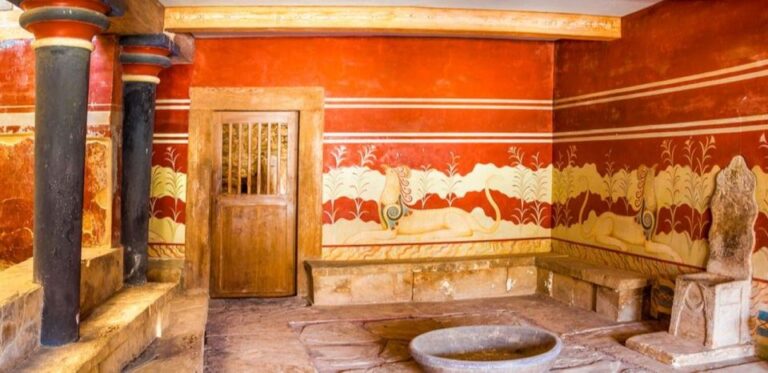
No cultural journey in Crete begins anywhere but the legendary Palace of Knossos.
Dating back nearly 4,000 years, Knossos was the political and ceremonial heart of the Minoan Civilization, Europe’s earliest advanced society. According to myth, this was the palace of King Minos and the site of the famous Minotaur labyrinth.
Walking through the ruins today, visitors encounter grand courtyards, colorful frescoes, and the famous Throne Room. Whether one believes the myths or not, Knossos makes it clear: Crete has always been a place where stories and history walk side by side.
2. Heraklion Archaeological Museum
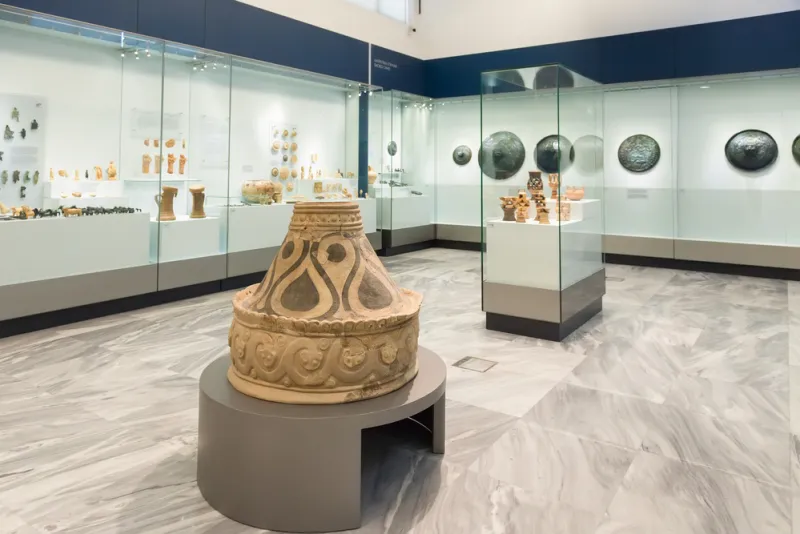


A visit to the Heraklion Archaeological Museum completes the story of Knossos.
The museum houses the most comprehensive collection of Minoan artifacts in the world. Here you will see treasures such as the Phaistos Disc, the famous Snake Goddess figurines, and vibrant frescoes depicting ritual scenes, nature, and everyday life.
In truth, if Knossos is the stage, this museum is the script explaining what happened there.
3. The Palace of Phaistos


Standing high above the fertile Messara Plain, Phaistos Palace feels quieter and more mysterious than Knossos.
Unlike its famous sibling, Phaistos was never heavily reconstructed. What remains today are authentic ruins that allow visitors to imagine the palace much as it once stood.
And then there is the famous Phaistos Disc, discovered here in 1908 — a clay disk covered with symbols that scholars still cannot fully decipher. A reminder that even after centuries of research, the Minoans still keep some secrets.
4. The Ancient City of Gortyna


Far to the south lies Ancient Gortyna, once one of the most powerful cities of ancient Crete.
During Roman times, Gortyna became the capital of the island. Today, visitors can explore temples, basilicas, Roman buildings, and the famous Gortyn Code, one of the oldest written legal systems in Europe.
Nearby stands an ancient plane tree tied to the myth of Zeus and Europa, reminding us that in Crete, history and mythology share the same roots.
5. Malia Palace


Located east of Heraklion, the Malia Palace was another major center of Minoan power.
Excavations here revealed impressive palace architecture and the famous Golden Bee Pendant, one of the most iconic pieces of Minoan jewelry.
The site is less crowded than Knossos, which gives it a quiet dignity. Sometimes the quieter places tell the deeper stories.
6. Archanes Village

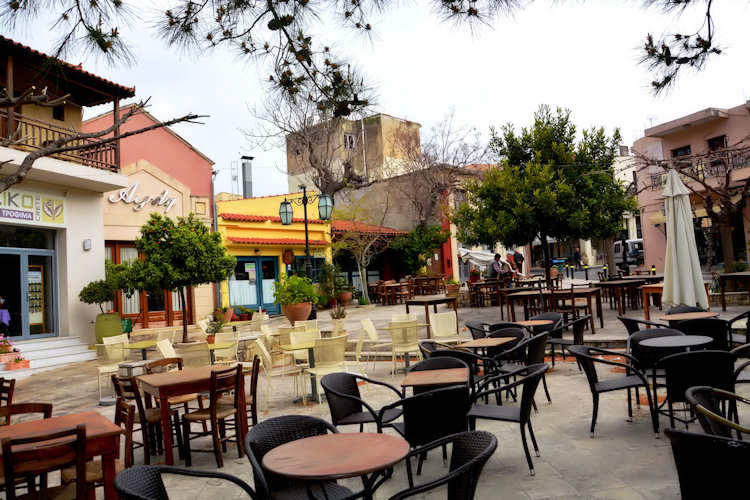


Only a short drive from Heraklion lies the beautiful village of Archanes.
Archanes is one of the best-preserved traditional settlements in Crete. Restored houses painted in warm colors line its narrow streets, while vineyards and olive groves stretch across the surrounding hills.
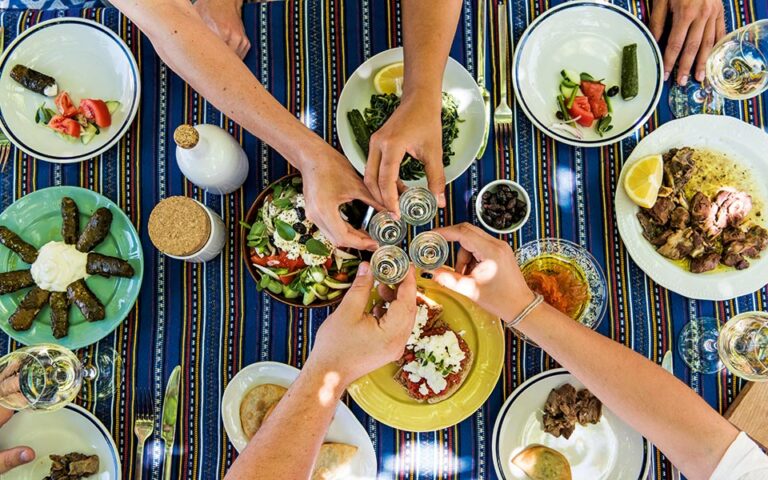
Today, the village is famous for its wine culture and traditional gastronomy. If ancient Crete explains where the island came from, villages like Archanes show how those traditions still live today.
7. Koules Fortress


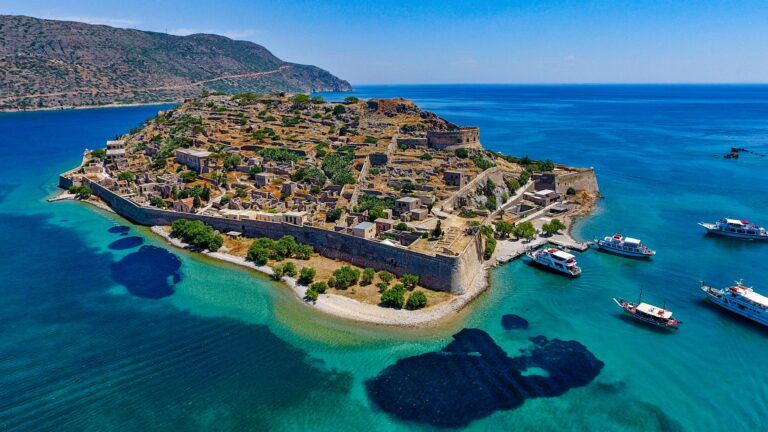
Guarding the entrance of Heraklion’s harbor stands the impressive Koules Fortress.
Built by the Venetians in the 16th century, the fortress protected the city during centuries of maritime trade and conflict.
From its stone walls, visitors enjoy panoramic views of the harbor and the sea — the same waters that once carried merchants, soldiers, and explorers to the island.
8. Historical Museum of Crete


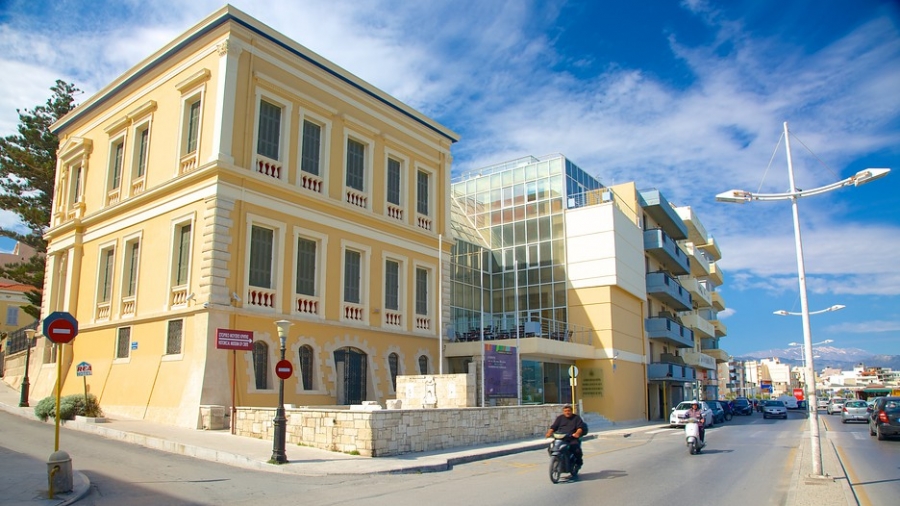

The Historical Museum of Crete tells the story of the island after the fall of the ancient world.
Here, visitors learn about Crete during the Byzantine, Venetian, and Ottoman periods. Among its treasures are works by the Renaissance master El Greco, who was born on the island before achieving fame in Spain.
9. Lychnostatis Open-Air Museum
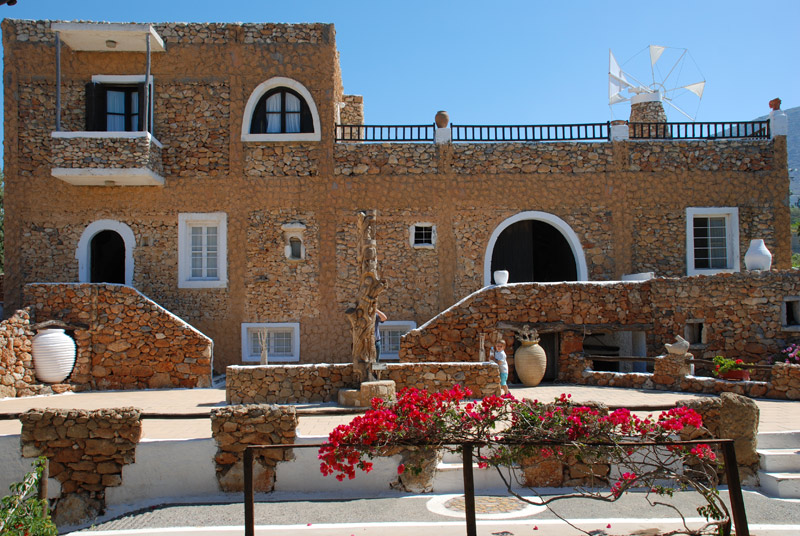


For a glimpse into traditional island life, visit the Lychnostatis Open Air Museum.
This museum recreates rural Cretan life through traditional houses, workshops, gardens, and craft demonstrations. Visitors can see how olive oil, wine, and textiles were once produced — long before tourism ever arrived on the island.
It is a gentle reminder that culture is not only monuments and ruins, but everyday life.
10. Fodele Village & El Greco Museum


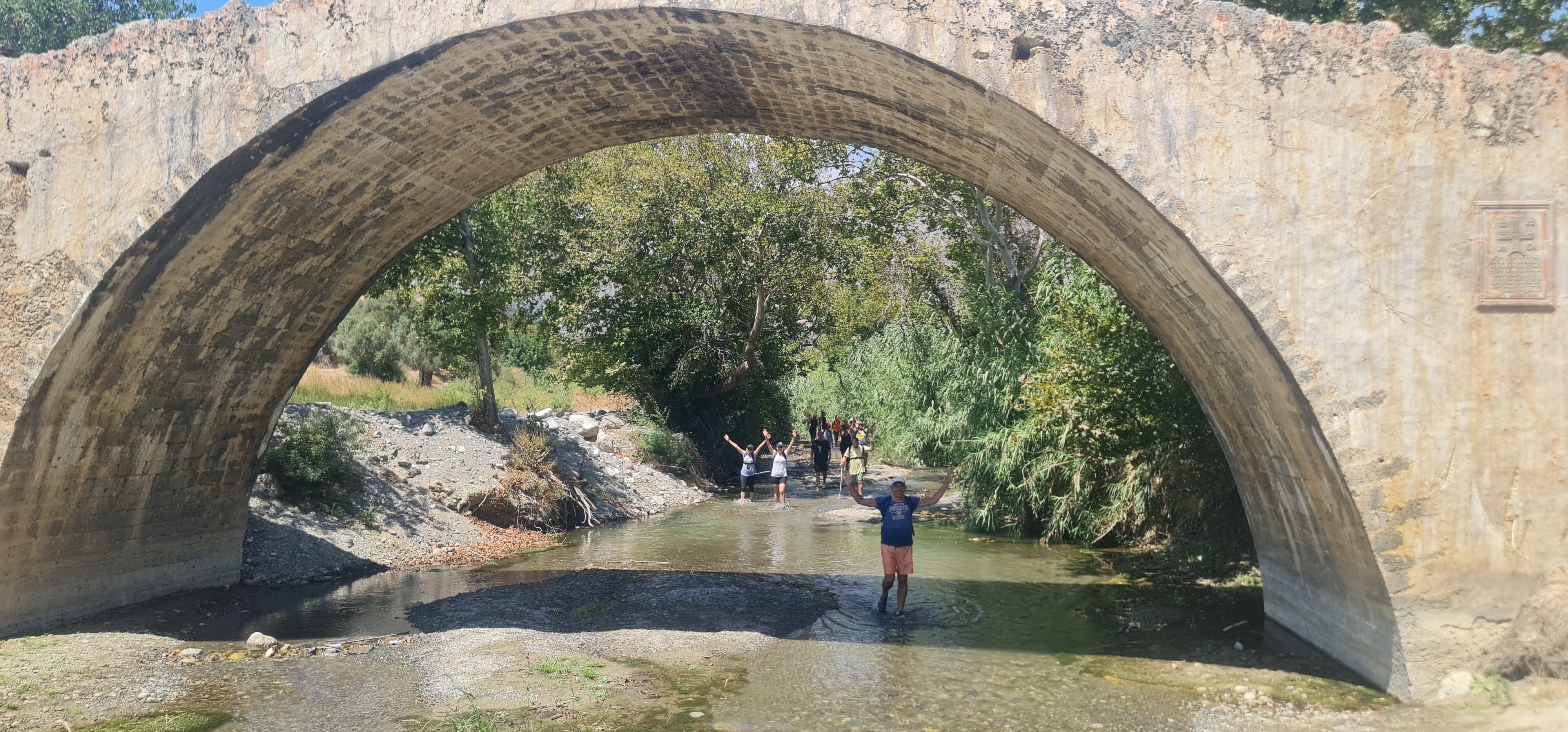
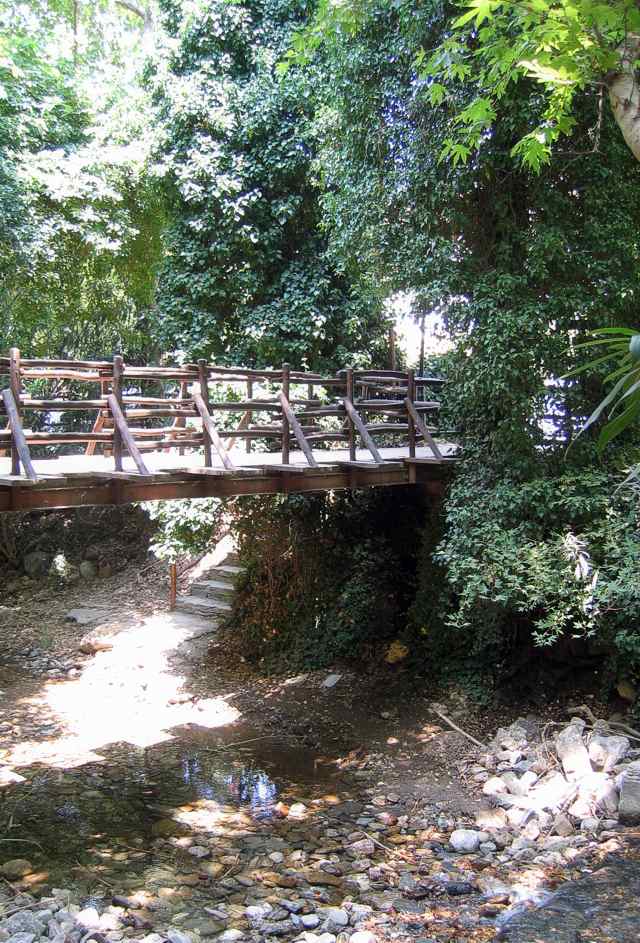
Nestled in a green valley west of Heraklion lies Fodele, believed to be the birthplace of El Greco.
The El Greco Museum here celebrates the life of the painter who became one of the great masters of European art. The village itself, surrounded by orange groves and flowing water, feels like a quiet corner of Crete untouched by time.
A Land Where History Still Breathes
Crete has a saying: the island is not simply visited — it is experienced. And nowhere is this more true than in the region of Heraklion.
From Minoan palaces and Roman cities to Venetian fortresses and living villages, the area reveals layer upon layer of civilization. Walk slowly, listen carefully, and you begin to see the pattern: every stone, every church bell, every vineyard has a story to tell.
And like good Cretan wine, those stories grow richer with time.