Lasithi Plateau – Crete Above the Sea
High in eastern Crete, surrounded by the Dikti Mountains, the Lasithi Plateau feels like a world apart. At roughly 800–850 meters altitude, this fertile plain combines agriculture, mythology, wind-powered engineering, and village continuity. If coastal Crete is dramatic, Lasithi is disciplined — wide skies, cultivated land, and mountain air that carries silence.
🏔️ Geography & Landscape


Encircled by the Dikti range, the plateau covers approximately 25 square kilometers. Historically, thousands of white-sailed windmills pumped groundwater for irrigation — an early example of sustainable engineering long before the term existed.
Seasonal contrast defines Lasithi:
- Green fields in spring
- Harvest activity in summer
- Snow-dusted mountains in winter
The altitude moderates heat, making it one of the most agriculturally productive inland areas of Crete.
🏛️ Mythology & the Cave of Zeus


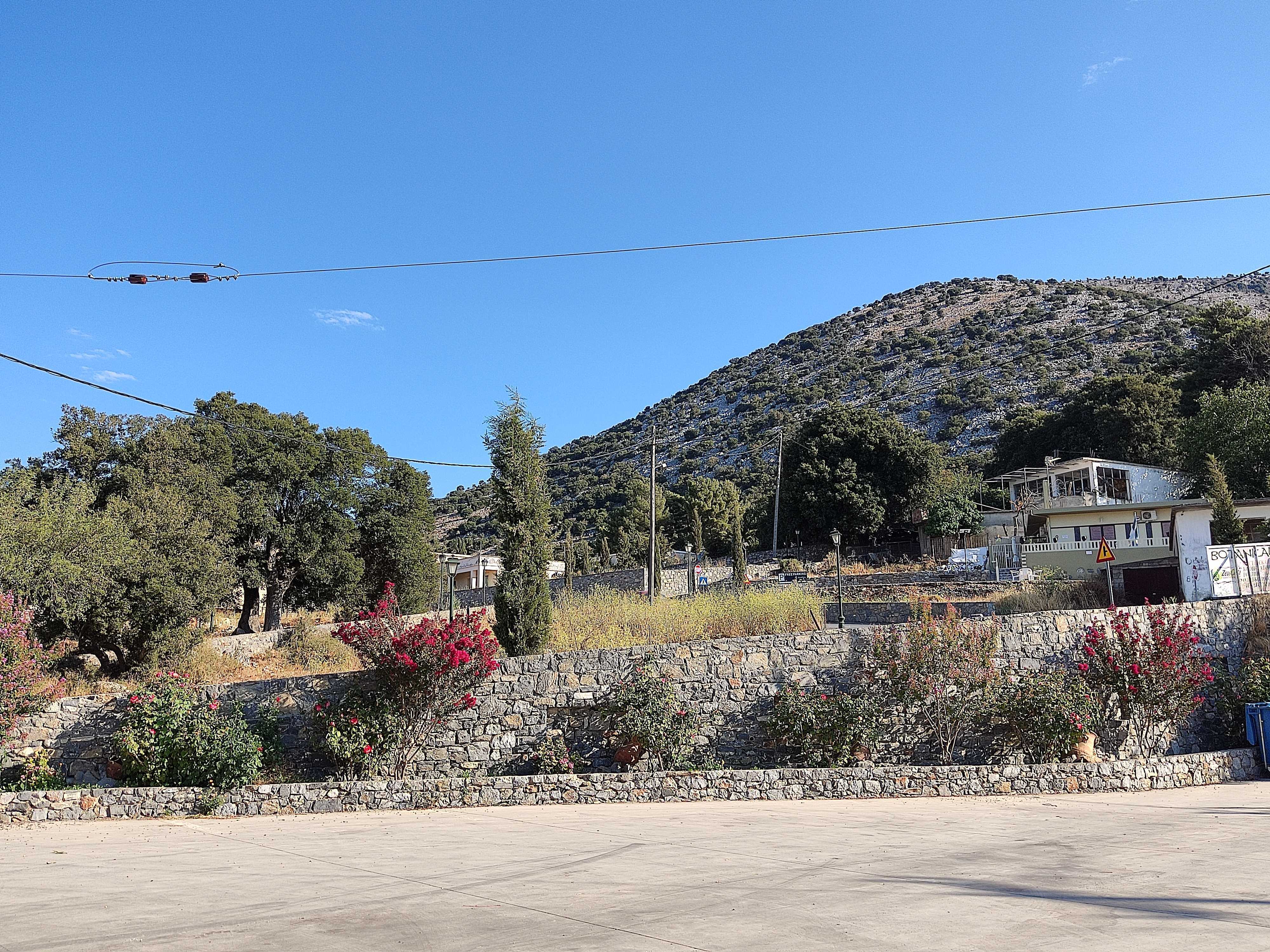
Near the village of Psychro lies the legendary Dikteon Cave, often referred to as the Cave of Zeus. According to Greek mythology, Rhea hid the infant Zeus here to protect him from Cronus.
Whether myth or metaphor, the cave reinforces the plateau’s symbolic weight in Cretan identity. The site attracts visitors seeking both geological beauty and mythological resonance.
🌿 Agricultural Tradition
Lasithi remains deeply agricultural. Potatoes, apples, beans, and grains dominate cultivation. Livestock grazing continues in the surrounding highlands.
Villages across the plateau maintain:
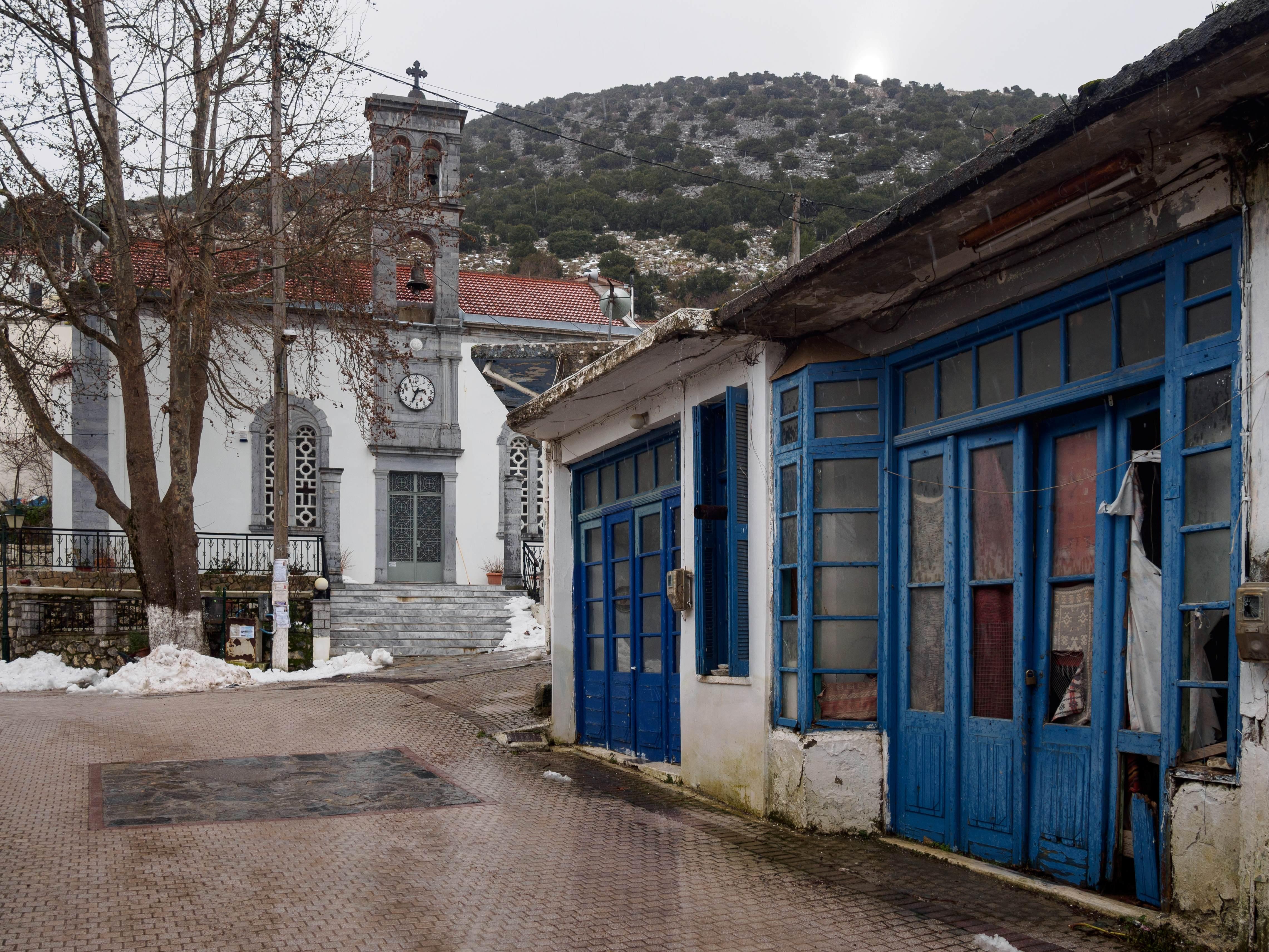
- Stone houses
- Central churches
- Small kafeneia
- Multi-generational households
Life moves according to season, not trend.
🏘️ Villages of the Plateau
Small settlements such as Tzermiado, Agios Georgios, and Psychro anchor the region. These villages preserve dialect, culinary traditions, and local crafts.
Around eastern Crete, near Agios Nikolaos, the Lasithi Plateau serves as a cultural and agricultural counterpoint to coastal tourism.
Here, Crete feels rural, structured, and grounded.
🍽️ Gastronomy of Lasithi
The plateau’s cooler climate influences cuisine:
- Hearty stews
- Slow-cooked goat
- Handmade pies
- Local cheeses
- Fresh produce from nearby fields
Meals are practical and sustaining. Olive oil remains central, as across the island.
🚗 Why Visit Lasithi Plateau?
Because it offers vertical contrast to coastal Crete.
You can:
- Drive through mountain passes
- Walk among traditional windmills
- Visit the Cave of Zeus
- Experience authentic village life
- Taste agricultural Crete without performance
Lasithi Plateau is not dramatic in volume. It is steady in presence.
If beaches show you Crete’s surface, the plateau shows you its backbone.